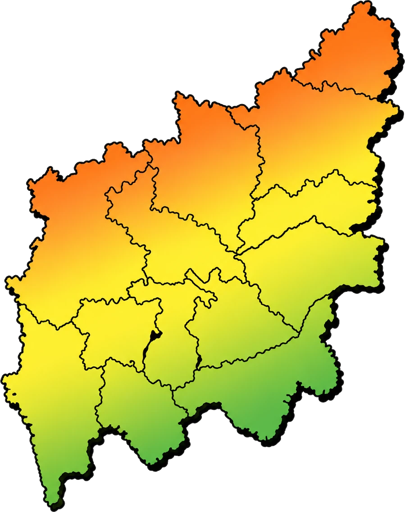
ಕಿತ್ತೂರ ಕಲ್ಯಾಣ ಕರ್ನಾಟಕ ಸೇನಾ ಇರುವುದು ಒಂದೇ ಒಂದು ಉದ್ದೇಶಕ್ಕಾಗಿ — ಉತ್ತರ ಕರ್ನಾಟಕದ ಅಭಿವೃದ್ಧಿಗಾಗಿ. ದಶಕಗಳಿಂದ ನಮ್ಮ 14 ಜಿಲ್ಲೆಗಳು ರಾಜ್ಯದ ಅನ್ನ ಬೆಳೆದಿವೆ, ತೆರಿಗೆ ಕಟ್ಟಿವೆ, ತಮ್ಮ ಮಕ್ಕಳನ್ನು ದೂರದ ನಗರಗಳಿಗೆ ದುಡಿಯಲು ಕಳುಹಿಸಿವೆ — ಆದರೆ ರಸ್ತೆ, ಆಸ್ಪತ್ರೆ, ನೀರು ಮತ್ತು ಉದ್ಯೋಗ ನಮಗೆ ಕೊನೆಯಲ್ಲಿ ಬಂದವು. ಇವು ನಮ್ಮ 17 ಬೇಡಿಕೆಗಳು; ಜನರ ಮುಂದೆ, ಸರ್ಕಾರದ ಮುಂದೆ ಪ್ರಾಮಾಣಿಕವಾಗಿ ಇಡುತ್ತಿದ್ದೇವೆ. ಪ್ರತಿಯೊಂದಕ್ಕೂ ಮತಪೆಟ್ಟಿಗೆಯ ಮೂಲಕ, ಬೀದಿಯ ಮೂಲಕ, ಕಾನೂನಿನ ಮೂಲಕ ಹೋರಾಡುತ್ತೇವೆ; ಅನ್ಯಾಯ ಮುಂದುವರಿದರೆ ಪ್ರತ್ಯೇಕ ರಾಜ್ಯವನ್ನು ಕೇಳಲು ಹಿಂಜರಿಯುವುದಿಲ್ಲ. ಉತ್ತರ ಕರ್ನಾಟಕ ಅಭಿವೃದ್ಧಿಯೇ ಮೂಲ ಮಂತ್ರ.Kittur Kalyan Karnataka Sena exists for one reason: the development of North Karnataka. For decades our 14 districts have grown the state's food, paid its taxes and sent its sons and daughters to work in faraway cities — yet roads, hospitals, water and jobs reached us last. These are our 17 demands, placed honestly before the people and the government. We will fight for each one through the ballot, the street and the law; and if injustice continues, we will not hesitate to demand a separate state. Development of North Karnataka is our fundamental mantra.
371(ಜೆ) ವಿಧಿ ಕಲ್ಯಾಣ ಕರ್ನಾಟಕದ (ಹಳೆಯ ಹೈದರಾಬಾದ್-ಕರ್ನಾಟಕ) ಜಿಲ್ಲೆಗಳಿಗೆ ವಿಶೇಷ ಸಾಂವಿಧಾನಿಕ ಸ್ಥಾನಮಾನ ಮತ್ತು ಅಭಿವೃದ್ಧಿ ಮಂಡಳಿಯನ್ನು ನೀಡುತ್ತದೆ — ಶಿಕ್ಷಣ ಮತ್ತು ಸ್ಥಳೀಯ ಉದ್ಯೋಗದಲ್ಲಿ ಮೀಸಲಾತಿ ಸಿಗುತ್ತದೆ. ಆದರೆ ಗೆರೆ ತಪ್ಪಾದ ಕಡೆ ನಿಲ್ಲುತ್ತದೆ: ಅದೇ ಹಿಂದುಳಿದಿರುವಿಕೆಯನ್ನು ಎದುರಿಸುತ್ತಿದ್ದರೂ ಕಿತ್ತೂರ ಕರ್ನಾಟಕದ ಜಿಲ್ಲೆಗಳು (ಬೆಳಗಾವಿ, ವಿಜಯಪುರ, ಬಾಗಲಕೋಟ, ಧಾರವಾಡ, ಗದಗ, ಹಾವೇರಿ, ಉತ್ತರ ಕನ್ನಡ) ಹೊರಗುಳಿದಿವೆ.
ಸಾಮಾನ್ಯ ಜನರಿಗೆ ಇದರ ಅರ್ಥ: ಸ್ಥಳೀಯ ಕಾಲೇಜಿನಲ್ಲಿ ಮೀಸಲು ಸೀಟು, ಸ್ಥಳೀಯ ಯುವಕರಿಗೆ ಸುರಕ್ಷಿತ ಸರ್ಕಾರಿ ಉದ್ಯೋಗ, ನಮ್ಮದೇ ಭಾಗದಲ್ಲಿ ಖರ್ಚಾಗಬೇಕಾದ ಅನುದಾನ.
ನಾವು ಒತ್ತಾಯಿಸುತ್ತೇವೆ:
Article 371(J) gives special constitutional status and a development board to the Kalyana-Karnataka (old Hyderabad-Karnataka) districts — with reservation in education and local jobs. But the line stops at the wrong place: the Kittur-Karnataka districts (Belagavi, Vijayapura, Bagalkot, Dharwad, Gadag, Haveri, Uttara Kannada) are left out, even though they face the same backwardness.
What this means for the common man: a reserved seat in a local college, a government job protected for local youth, a budget that must be spent in our own region.
We will push for:
ಸರ್ಕಾರ ನೂರಾರು ಕಿಲೋಮೀಟರ್ ದೂರದ ಬೆಂಗಳೂರಿನಲ್ಲಿ ಕುಳಿತಿದೆ; ನಮ್ಮದೇ ಭಾಗದಲ್ಲಿ ಆಗಬೇಕಾದ ಕೆಲಸಕ್ಕೆ ನಮ್ಮ ಜನ ಇಡೀ ದಿನ ಪ್ರಯಾಣಿಸಬೇಕು. ಸರ್ಕಾರವನ್ನು ಉತ್ತರಕ್ಕೆ ತರಲೆಂದು ಬೆಳಗಾವಿಯ ಸುವರ್ಣ ವಿಧಾನಸೌಧ ಕಟ್ಟಲಾಯಿತು — ಆದರೆ ಅದು ಮುಖ್ಯವಾಗಿ ಸುಮಾರು ಹತ್ತು ದಿನಗಳ ಚಳಿಗಾಲದ ಅಧಿವೇಶನಕ್ಕೆ ಮಾತ್ರ ಬಳಕೆಯಾಗಿ, ಉಳಿದಂತೆ ಬಹುತೇಕ ಖಾಲಿ ಬಿದ್ದಿದೆ.
ಸಾಮಾನ್ಯ ಜನರಿಗೆ ಇದರ ಅರ್ಥ: ಮನೆಯ ಬಳಿಯೇ ಇತ್ಯರ್ಥವಾಗುವ ಕಡತಗಳು, ಉತ್ತರಕ್ಕೆ ಉತ್ತರ ಕೊಡುವ ಅಧಿಕಾರಿಗಳು, ದಕ್ಷಿಣದ ಮೇಜಿಗಾಗಿ ಕಾಯದ ತೀರ್ಮಾನಗಳು.
ನಾವು ಒತ್ತಾಯಿಸುತ್ತೇವೆ:
Government sits hundreds of kilometres away in Bengaluru, and our people must travel a full day for work that should be done in their own region. The Suvarna Vidhana Soudha in Belagavi was built to bring the government to the north — yet it is used mainly for the roughly ten-day winter legislature session and otherwise lies largely unused.
What this means for the common man: files decided near home, officers who answer to the north, decisions that do not wait for a southern desk.
We will push for:
ನಮ್ಮ ನದಿಗಳು — ಕೃಷ್ಣಾ, ಘಟಪ್ರಭಾ, ಮಲಪ್ರಭಾ ಮತ್ತು ಮಹದಾಯಿ (ಕಳಸಾ-ಬಂಡೂರಿ) — ನಮ್ಮ ಹೊಲಗಳ ಪಕ್ಕದಲ್ಲೇ ಹರಿಯುತ್ತವೆ; ಆದರೂ ನಮ್ಮ ಸಾವಿರಾರು ಹಳ್ಳಿಗಳು ಇಂದಿಗೂ ಟ್ಯಾಂಕರ್ ಮತ್ತು ಕಲುಷಿತ ಕೊಳವೆಬಾವಿಗಳ ಮೇಲೆ ಅವಲಂಬಿತವಾಗಿವೆ. ಮಲಪ್ರಭಾ ಜಲಾನಯನಕ್ಕೆ ಕುಡಿಯುವ ನೀರು ತರಬೇಕಾದ ಕಳಸಾ-ಬಂಡೂರಿ / ಮಹದಾಯಿ ಯೋಜನೆ, ಅಂತಾರಾಜ್ಯ ವಿವಾದ ಮತ್ತು ಬಾಕಿ ಅನುಮತಿಗಳಿಂದ ವರ್ಷಾನುಗಟ್ಟಲೆ ವಿಳಂಬವಾಗಿದೆ.
ಸಾಮಾನ್ಯ ಜನರಿಗೆ ಇದರ ಅರ್ಥ: ಹರಿಯುವ ನಲ್ಲಿ, ನೀರಾವರಿಯಾದ ಹೊಲ, ನೀರಿನ ಲಾರಿಗಾಗಿ ಕಾಯದ ಬೇಸಿಗೆ.
ನಾವು ಒತ್ತಾಯಿಸುತ್ತೇವೆ:
Our rivers — Krishna, Ghataprabha, Malaprabha and the Mahadayi (Kalasa-Banduri) — flow past our fields, yet thousands of our villages still depend on tankers and contaminated borewells. The Kalasa-Banduri / Mahadayi project, meant to bring drinking water to the Malaprabha basin, has been delayed for years by inter-state disputes and pending clearances.
What this means for the common man: a tap that runs, a field that is irrigated, a summer without waiting for a water lorry.
We will push for:
ಉತ್ತರ ಕರ್ನಾಟಕ ಒಣ, ಮಳೆ-ಆಧಾರಿತ ವಲಯದಲ್ಲಿದೆ; ಒಂದು ವರ್ಷ ಬರ, ಮರುವರ್ಷ ಪ್ರವಾಹ — ಹೀಗೆ ಎರಡೂ ಕಡೆಯಿಂದ ಹೊಡೆತ ತಿನ್ನುತ್ತದೆ. 2023ರ ಮುಂಗಾರು ಬರದಲ್ಲಿ ಉತ್ತರ ಒಳನಾಡಿನ 12 ಜಿಲ್ಲೆಗಳು ಅಧಿಕಾರಿಗಳೇ 44 ವರ್ಷಗಳಲ್ಲೇ ಅತ್ಯಂತ ಕೆಟ್ಟ ಬರ ಎಂದು ಕರೆದ ಸ್ಥಿತಿಯನ್ನು ಎದುರಿಸಿದವು; 2025ರಲ್ಲಿ ಅತಿವೃಷ್ಟಿ ಲಕ್ಷಾಂತರ ಹೆಕ್ಟೇರ್ ಬೆಳೆ ಹಾಳುಮಾಡಿತು. ಇವೆರಡಕ್ಕೂ ದೊಡ್ಡ ರಕ್ಷಣೆ ಪೂರ್ಣಗೊಂಡ ನೀರಾವರಿ.
ಸಾಮಾನ್ಯ ಜನರಿಗೆ ಇದರ ಅರ್ಥ: ಖಚಿತ ಎರಡನೇ ಬೆಳೆ, ವಿಫಲ ಮುಂಗಾರಿನ ಮೇಲಿನ ಅವಲಂಬನೆ ಕಡಿಮೆ, ಸಂಕಷ್ಟದ ಮಾರಾಟ ಕಡಿಮೆ.
ನಾವು ಒತ್ತಾಯಿಸುತ್ತೇವೆ:
North Karnataka sits in a dry, rainfed belt and is whipsawed between drought one year and floods the next — in the 2023 kharif drought, the 12 districts of north interior Karnataka faced what officials called the worst drought in 44 years, while in 2025 excess rain damaged crops on lakhs of hectares. The single biggest protection against both is finished irrigation.
What this means for the common man: an assured second crop, less dependence on a failing monsoon, fewer distress sales.
We will push for:
ಉತ್ತರ ಕರ್ನಾಟಕ ಅನ್ನ ಬೆಳೆಯುತ್ತದೆ, ಆದರೆ ಉದ್ಯೋಗ ಬೆಳೆಯುವುದು ಬೆಂಗಳೂರಿನಲ್ಲಿ — ಅದೊಂದೇ ರಾಜ್ಯದ ಆರ್ಥಿಕತೆಯ ಸುಮಾರು 37–39% ಮತ್ತು ಐಟಿ ಚಟುವಟಿಕೆಯ 90%ಕ್ಕೂ ಹೆಚ್ಚಿನದನ್ನು ಉತ್ಪಾದಿಸುತ್ತದೆ. ಕಲಬುರಗಿಯ ತಲಾ ಆದಾಯ ರಾಜ್ಯದಲ್ಲೇ ಅತ್ಯಂತ ಕಡಿಮೆ — ಸುಮಾರು ₹1.25 ಲಕ್ಷ, ಬೆಂಗಳೂರಿನ ಸುಮಾರು ₹6.2 ಲಕ್ಷಕ್ಕೆ ಎದುರಾಗಿ. ಆದ್ದರಿಂದ ನಮ್ಮ ಯುವಕರು ದೂರದ ನಗರಕ್ಕೆ ಬಸ್ ಹತ್ತಿ, ಬಾಡಿಗೆ ಕೋಣೆಯಿಂದ ಮನೆಗೆ ಹಣ ಕಳುಹಿಸುತ್ತಾರೆ.
ಸಾಮಾನ್ಯ ಜನರಿಗೆ ಇದರ ಅರ್ಥ: ಮನೆಯಲ್ಲೇ ದುಡಿದು ಬಾಳುವ ಮಗ-ಮಗಳು, ಸಂಬಳ ಮತ್ತು ಕುಟುಂಬ ಒಟ್ಟಿಗೆ.
ನಾವು ಒತ್ತಾಯಿಸುತ್ತೇವೆ:
North Karnataka grows the food, but the jobs grow in Bengaluru — which alone produces roughly 37–39% of the state's economy and over 90% of its IT activity. Kalaburagi's per-capita income is the lowest in the state at about ₹1.25 lakh, against Bengaluru's roughly ₹6.2 lakh. So our young people board a bus to a far-away city and send money home from a rented room.
What this means for the common man: a son or daughter who works and lives at home, a wage and a family kept together.
We will push for:
ಬೆಳಗಾವಿ ಮತ್ತು ಮಹಾರಾಷ್ಟ್ರ–ಗೋವಾ ಗಡಿಯ ಜಿಲ್ಲೆಗಳು ಕನ್ನಡ ಭಾಷೆಯ ಮುಂಚೂಣಿ. ಇಲ್ಲಿ ಕನ್ನಡ ಶಾಲೆಗಳು, ಕನ್ನಡ ಫಲಕಗಳು, ಕನ್ನಡ ಸಾಂಸ್ಕೃತಿಕ ಬದುಕು ನಿರಂತರ ಒತ್ತಡ ಎದುರಿಸುತ್ತಿವೆ; ಆದರೆ ನಮ್ಮ ಪರಂಪರೆ — ಕಿತ್ತೂರ ರಾಣಿ ಚೆನ್ನಮ್ಮನ ಧೈರ್ಯ ಮತ್ತು ಬಸವಣ್ಣನ ಸಮಾನತೆಯ ಕಲ್ಯಾಣ — ಈ ನಾಡಿನ ಆತ್ಮ.
ಸಾಮಾನ್ಯ ಜನರಿಗೆ ಇದರ ಅರ್ಥ: ತನ್ನದೇ ನೆಲದಲ್ಲಿ ತನ್ನ ಮಗು ಹೆಮ್ಮೆಯಿಂದ ಕನ್ನಡದಲ್ಲಿ ಕಲಿತು ಬಾಳುವುದು.
ನಾವು ಒತ್ತಾಯಿಸುತ್ತೇವೆ:
Belagavi and the districts along the Maharashtra and Goa borders are the front line of the Kannada language. Here Kannada schools, Kannada signboards and Kannada cultural life face constant pressure, while our heritage — Kittur Rani Chennamma's defiance and Basavanna's Kalyana of equality — is the very soul of this region.
What this means for the common man: that his child can learn and live in Kannada in his own land, with pride.
We will push for:
ನಮ್ಮ ಭಾಗ ಕರ್ನಾಟಕದ ಗ್ರಾಮೀಣ ಶಾಲಾ ಸಂಕಷ್ಟವನ್ನು ಹೊತ್ತಿದೆ — ಶಿಕ್ಷಕರ ಕೊರತೆ, ಏಕ-ಶಿಕ್ಷಕ ಶಾಲೆಗಳು, ಕುಡಿಯುವ ನೀರು, ಶೌಚಾಲಯ, ತರಗತಿ ಕೊಠಡಿಗಳಂತಹ ಮೂಲಸೌಕರ್ಯಗಳ ಕೊರತೆ. ರಾಯಬಾಗ ತಾಲ್ಲೂಕಿನ ಒಂದು ಪ್ರಕರಣದಲ್ಲಿ ಹೆಚ್ಚುವರಿ ಕೊಠಡಿಗಳಿಗಾಗಿ ಸರ್ಕಾರಿ ಶಾಲೆಯ ಮುಖ್ಯೋಪಾಧ್ಯಾಯರೇ ಪ್ರತಿಭಟಿಸಬೇಕಾಯಿತು. ಉದ್ಯೋಗವಾಗದ ಪದವಿ ಸಾಮಾನ್ಯವಾಗಿ ಶಿಕ್ಷಕರೇ ಸಾಲದ ಶಾಲೆಯಿಂದ ಆರಂಭವಾಗುತ್ತದೆ.
ಸಾಮಾನ್ಯ ಜನರಿಗೆ ಇದರ ಅರ್ಥ: ಹಳ್ಳಿ ಶಾಲೆ ವಿಫಲವಾದ ಕಾರಣ ನಗರಕ್ಕೆ ಕಳುಹಿಸುವ ಬದಲು, ಮನೆಯ ಬಳಿಯೇ ಸರಿಯಾಗಿ ಕಲಿಯುವ ಮಗು.
ನಾವು ಒತ್ತಾಯಿಸುತ್ತೇವೆ:
Our region carries Karnataka's rural-school squeeze — teacher shortages, single-teacher schools, and gaps in basic amenities like drinking water, toilets and classrooms. In one documented case in Raibag taluk, a government school headmaster had to protest just to get additional classrooms. A degree that does not turn into a job often begins with a school that never had enough teachers.
What this means for the common man: a child who learns properly close to home, not one sent to the city because the village school failed.
We will push for:
ನಮ್ಮ ಹಳ್ಳಿಗಳಲ್ಲಿ ಗಂಭೀರ ಕಾಯಿಲೆ ಬಂದಾಗ, ವೈದ್ಯರು–ಸಿಬ್ಬಂದಿ–ಸಲಕರಣೆ ಇಲ್ಲದ ಗ್ರಾಮೀಣ ಪ್ರಾಥಮಿಕ ಆರೋಗ್ಯ ಕೇಂದ್ರಗಳ ಕಾರಣ, ಕುಟುಂಬಗಳು ದೂರದ ನಗರ ಆಸ್ಪತ್ರೆಗೆ ಸುದೀರ್ಘ ಪ್ರಯಾಣ ಮಾಡಬೇಕಾಗುತ್ತದೆ. ಇಷ್ಟು ದೊಡ್ಡ ಭಾಗಕ್ಕೆ ದಕ್ಷಿಣಕ್ಕೆ ಶಿಫಾರಸಲ್ಲ — ತನ್ನದೇ ಬೋಧನಾ ಆಸ್ಪತ್ರೆ, ತಜ್ಞ ಚಿಕಿತ್ಸೆ ಮತ್ತು ಪ್ರಸ್ತಾವಿತ ಕ್ಯಾನ್ಸರ್ ಚಿಕಿತ್ಸಾ ಸೌಲಭ್ಯ ಬೇಕು.
ಸಾಮಾನ್ಯ ಜನರಿಗೆ ಇದರ ಅರ್ಥ: ಬೇರೆ ಜಿಲ್ಲೆಗೆ ಮಧ್ಯರಾತ್ರಿ ಓಡದೆ, ಇಂದು ರಾತ್ರಿಯ ತುರ್ತನ್ನು ಇಲ್ಲೇ ಚಿಕಿತ್ಸಿಸುವ ಆಸ್ಪತ್ರೆ.
ನಾವು ಒತ್ತಾಯಿಸುತ್ತೇವೆ:
When a serious illness strikes in our villages, families too often face a long journey to a distant city hospital — with rural primary health centres short of doctors, staff and equipment. A region this large deserves teaching hospitals, specialist care and proposed cancer-care facilities of its own, not referrals to the south.
What this means for the common man: a hospital that can treat the emergency tonight, without a midnight drive to another district.
We will push for:
ರಾಜ್ಯದ ಅನ್ನ ಬೆಳೆದು, ಎಲ್ಲೆಡೆ ದುಡಿಮೆ ಕಳುಹಿಸುವ ಭಾಗ ಇಂದಿಗೂ ಜನ ಮತ್ತು ಬೆಳೆಯನ್ನು ಸಾಗಿಸುವ ರಸ್ತೆ-ರೈಲುಮಾರ್ಗಗಳಿಗಾಗಿ ಕಾಯುತ್ತಿದೆ. ಅರ್ಧ ಮುಗಿದ ಹೆದ್ದಾರಿಗಳು, ನಿಧಾನ ರೈಲು ವಿಸ್ತರಣೆ ಮತ್ತು ಕೆಟ್ಟ ಗ್ರಾಮೀಣ ರಸ್ತೆಗಳು ನಾವು ಮಾರುವ ಪ್ರತಿ ಕ್ವಿಂಟಲ್ಗೆ, ಮಾಡುವ ಪ್ರತಿ ಪ್ರಯಾಣಕ್ಕೆ ಖರ್ಚು ಸೇರಿಸುತ್ತವೆ.
ಸಾಮಾನ್ಯ ಜನರಿಗೆ ಇದರ ಅರ್ಥ: ಮಾರುಕಟ್ಟೆಗೆ ತಾಜಾ ತಲುಪುವ ಬೆಳೆ, ಸಮಯಕ್ಕೆ ಬರುವ ಬಸ್, ಮಳೆಗಾಲದಲ್ಲಿ ಕಡಿತಗೊಳ್ಳದ ಊರು.
ನಾವು ಒತ್ತಾಯಿಸುತ್ತೇವೆ:
A region that grows the state's food and sends its labour everywhere still waits for the roads and railway lines that move people and produce. Half-finished highways, slow rail expansion and poor last-mile village roads add cost to every quintal we sell and every trip we make.
What this means for the common man: produce that reaches the mandi fresh, a bus that comes on time, a town that is no longer cut off in the monsoon.
We will push for:
ಬೇಸಿಗೆಯಲ್ಲಿ ನಮ್ಮ ನೂರಾರು ಹಳ್ಳಿಗಳು ಬರಿದಾಗಿ ಟ್ಯಾಂಕರ್ಗಳ ಮೇಲೆ ಅವಲಂಬಿತವಾಗುತ್ತವೆ; ಅನೇಕ ಕೊಳವೆಬಾವಿಗಳು ಫ್ಲೋರೈಡ್ಯುಕ್ತ ಕಲುಷಿತ ನೀರನ್ನು ಕೊಡುತ್ತವೆ — ಅದು ವರ್ಷಗಳ ಕಾಲ ಕೀಲುಗಳನ್ನು ಹಾಳುಮಾಡಿ, ಮಕ್ಕಳ ಮತ್ತು ಹಿರಿಯರ ಮೂಳೆಗಳನ್ನು ದುರ್ಬಲಗೊಳಿಸುತ್ತದೆ. ಶುದ್ಧ ಕುಡಿಯುವ ನೀರು ವೈಭವವಲ್ಲ — ಜನರಿಗೆ ಸರ್ಕಾರ ಕೊಡಬೇಕಾದ ಮೊದಲ ಕರ್ತವ್ಯ.
ಸಾಮಾನ್ಯ ಜನರಿಗೆ ಇದರ ಅರ್ಥ: ಪ್ರತಿದಿನ ಸುರಕ್ಷಿತ ನೀರು ಕುಡಿಯುವ ಮನೆ, ಕೀಲು ಹಾಳಾಗದೆ ಬೆಳೆಯುವ ಮಕ್ಕಳು.
ನಾವು ಒತ್ತಾಯಿಸುತ್ತೇವೆ:
In summer, hundreds of our villages run dry and depend on tankers, while many borewells deliver fluoride-contaminated water that, over years, cripples joints and weakens the bones of children and elders. Clean drinking water is not a luxury — it is the first duty a government owes its people.
What this means for the common man: a household that drinks safe water every day, children who grow up without crippled joints.
We will push for:
ನಾವು ಬೇಳೆ, ಹತ್ತಿ, ಕಬ್ಬು ಬೆಳೆಯುತ್ತೇವೆ — ಆದರೆ ಆ ಮೌಲ್ಯ ಕಚ್ಚಾ ಬೆಳೆಯಾಗಿ ನಮ್ಮ ಜಿಲ್ಲೆಗಳಿಂದ ಹೊರಹೋಗಿ, ಬೇರೆಲ್ಲೋ ಸಂಸ್ಕರಣೆಯಾಗಿ ಲಾಭ ತಂದುಕೊಡುತ್ತದೆ. ಸ್ಥಳೀಯ ಕಾರ್ಖಾನೆ ಮತ್ತು ಸಣ್ಣ ಉದ್ಯಮಗಳಿಲ್ಲದೆ ನಮ್ಮ ಯುವಕರಿಗೆ ವಲಸೆ ಹೊರತು ಬೇರೆ ದಾರಿಯಿಲ್ಲ. ಕಲಬುರಗಿ ಕರ್ನಾಟಕದ ತೊಗರಿ ಕಣಜ, ಜಿಐ ಮಾನ್ಯತೆ ಪಡೆದ ತೊಗರಿ ಬೆಳೆಯುತ್ತದೆ; ಆ ಬೆಳೆ ಇಲ್ಲೇ ಮಿಲ್ಲಾಗಿ, ಪ್ಯಾಕಾಗಿ, ಬ್ರ್ಯಾಂಡ್ ಆಗಬೇಕು.
ಸಾಮಾನ್ಯ ಜನರಿಗೆ ಇದರ ಅರ್ಥ: ಹತ್ತಿರದ ಮಿಲ್ಲು ಅಥವಾ ಘಟಕದಲ್ಲಿ ಉದ್ಯೋಗ, ಖರೀದಿದಾರ ಸ್ಥಳೀಯವಾದ್ದರಿಂದ ನ್ಯಾಯಯುತ ಬೆಲೆ.
ನಾವು ಒತ್ತಾಯಿಸುತ್ತೇವೆ:
We grow the pulses, cotton and cane — but the value leaves our districts as raw produce, processed and profited from elsewhere. Without local factories and small enterprises, our youth have no choice but to migrate. Kalaburagi is the Tur Bowl of Karnataka with a GI-tagged tur; that crop should be milled, packed and branded right here.
What this means for the common man: a job at a nearby mill or unit, and a fair price because the buyer is local.
We will push for:
ನಮ್ಮ ರೈತನಿಗೆ ಆತನ ಖರ್ಚಿಗಿಂತ ಕಡಿಮೆ ಬೆಲೆ ಸಿಗುತ್ತದೆ. ಕಲಬುರಗಿಯಲ್ಲಿ ತೊಗರಿ ₹8,000 ಬೆಂಬಲ ಬೆಲೆಗೆ ಎದುರಾಗಿ ಸುಮಾರು ₹6,250ಕ್ಕೆ ಕುಸಿಯಿತು; ಧಾರವಾಡ ಭಾಗದ ಹತ್ತಿ ₹7,710/₹8,110 ಬೆಂಬಲ ಬೆಲೆಗಿಂತ ಕೆಳಗೆ ಹೋಯಿತು; ಡಿಸೆಂಬರ್ 2025ರ ವೇಳೆಗೆ 2025-26 ಹಂಗಾಮಿನ ಸುಮಾರು ₹4,390 ಕೋಟಿ ಕಬ್ಬಿನ ಬಾಕಿಯನ್ನು ಕಾರ್ಖಾನೆಗಳು ಇನ್ನೂ ರೈತರಿಗೆ ಕೊಡಬೇಕಿತ್ತು — ಅದೇ ಕಬ್ಬಿಗೆ ಕೆಲವೇ ಕಿಲೋಮೀಟರ್ ದೂರದ ಮಹಾರಾಷ್ಟ್ರ ಕಾರ್ಖಾನೆಗಳು ಟನ್ಗೆ ₹300–600 ಹೆಚ್ಚು ಕೊಟ್ಟವು.
ಸಾಮಾನ್ಯ ಜನರಿಗೆ ಇದರ ಅರ್ಥ: ಕೊನೆಗೂ ಖರ್ಚು ತುಂಬುವ ಬೆಳೆ, ತಿಂಗಳುಗಳ ನಂತರವಲ್ಲ — ಸಮಯಕ್ಕೆ ಸಿಗುವ ಬಾಕಿ.
ನಾವು ಒತ್ತಾಯಿಸುತ್ತೇವೆ:
Our farmer is repaid with prices below his cost. Tur fell to about ₹6,250 per quintal in Kalaburagi against an MSP of ₹8,000; cotton in the Dharwad belt ran below its ₹7,710/₹8,110 MSP; and sugarcane mills still owed farmers about ₹4,390 crore for the 2025-26 season as of December 2025 — while Maharashtra mills a few kilometres away paid ₹300–600 more per tonne for the same cane.
What this means for the common man: a harvest that finally covers its cost, and dues paid on time, not after months.
We will push for:
ನಮ್ಮ ಹಿಂದುಳಿದಿರುವಿಕೆ ವದಂತಿಯಲ್ಲ — ಸರ್ಕಾರದ್ದೇ ಡಾ. ಡಿ. ಎಂ. ನಂಜುಂಡಪ್ಪ ಉನ್ನತಾಧಿಕಾರ ಸಮಿತಿ (2002) ಅದನ್ನು ಅಳೆಯಿತು. ಅದು ಕರ್ನಾಟಕದ 175 ತಾಲ್ಲೂಕುಗಳಲ್ಲಿ 114 ಹಿಂದುಳಿದಿವೆ ಎಂದು ಕಂಡುಕೊಂಡಿತು — ಉತ್ತರ ಕರ್ನಾಟಕ ಮತ್ತು ಕಲ್ಯಾಣ ಕರ್ನಾಟಕ ಅತ್ಯಂತ ಕೆಟ್ಟ ಸ್ಥಿತಿಯಲ್ಲಿ — ಮತ್ತು ಸುಮಾರು ₹31,000 ಕೋಟಿಯ (2002-03 ಬೆಲೆಯಲ್ಲಿ) ಎಂಟು ವರ್ಷಗಳ ವಿಶೇಷ ಅಭಿವೃದ್ಧಿ ಯೋಜನೆಯನ್ನು ಶಿಫಾರಸು ಮಾಡಿತು. ಜಾರಿ 2007-08ಕ್ಕೆ ಜಾರಿತು; ವರದಿ ಹೆಸರಿಸಿದ ಅಸಮತೋಲನ ಇಂದಿಗೂ ಇದೆ.
ಸಾಮಾನ್ಯ ಜನರಿಗೆ ಇದರ ಅರ್ಥ: ಯಾರು ಹೆಚ್ಚು ಹಿಂದುಳಿದಿದ್ದಾರೆ ಎಂಬ ಪ್ರಾಮಾಣಿಕ, ಅಧಿಕೃತ ಮಾನದಂಡದ ಮೂಲಕ ನಿರ್ದೇಶಿಸಿದ ಹಣ ಮತ್ತು ಯೋಜನೆ — ನಮ್ಮ ತಾಲ್ಲೂಕುಗಳು ಆ ಪಟ್ಟಿಯಲ್ಲಿವೆ.
ನಾವು ಒತ್ತಾಯಿಸುತ್ತೇವೆ:
Our backwardness is not a rumour — the government's own Dr D. M. Nanjundappa High-Power Committee (2002) measured it. It found 114 of Karnataka's 175 taluks backward, with North Karnataka and Kalyana-Karnataka the worst, and recommended an eight-year Special Development Plan of about ₹31,000 crore (at 2002-03 prices). Implementation slipped to 2007-08, and the imbalance the report named is still here.
What this means for the common man: money and projects directed by an honest, official yardstick of who is most backward — and our taluks are on it.
We will push for:
ನಮ್ಮ ಶಾಲೆ, ಆಸ್ಪತ್ರೆ, ಕಚೇರಿ ಮತ್ತು ನಿಗಮಗಳಾದ್ಯಂತ ಸಾವಿರಾರು ಮಂಜೂರಾದ ಹುದ್ದೆಗಳು ಖಾಲಿ ಬಿದ್ದಿವೆ — ನಮ್ಮ ವಿದ್ಯಾವಂತ ಯುವಕರು ನಿರುದ್ಯೋಗಿಗಳಾಗಿ ಕುಳಿತಿರುವಾಗಲೇ. ಪ್ರದೇಶಕ್ಕೆ ಮೀಸಲಾದ ಹಣವೂ ಬಳಕೆಯಾಗದೆ ಉಳಿಯುತ್ತದೆ: ಕಲ್ಯಾಣ ಕರ್ನಾಟಕ ಪ್ರದೇಶ ಅಭಿವೃದ್ಧಿ ಮಂಡಳಿಗೆ ಬಿಡುಗಡೆಯಾದ ಸುಮಾರು ₹8,000 ಕೋಟಿಯಲ್ಲಿ ಸುಮಾರು ₹2,000 ಕೋಟಿ ಬಳಕೆಯಾಗದೆ ಉಳಿಯಿತು. ಖಾಲಿ ಮೇಜು ಮತ್ತು ಖರ್ಚಾಗದ ಬಜೆಟ್ ಎರಡು ಬಾರಿ ನಿರ್ಲಕ್ಷ್ಯ.
ಸಾಮಾನ್ಯ ಜನರಿಗೆ ಇದರ ಅರ್ಥ: ಸಿಬ್ಬಂದಿ ಇರುವ ಪಿಎಚ್ಸಿ, ಶಿಕ್ಷಕರಿರುವ ಶಾಲೆ, ಸ್ಥಳೀಯ ಯುವಕರಿಗೆ ಸರ್ಕಾರಿ ಉದ್ಯೋಗದ ನ್ಯಾಯಯುತ ಅವಕಾಶ.
ನಾವು ಒತ್ತಾಯಿಸುತ್ತೇವೆ:
Across our schools, hospitals, offices and corporations, thousands of sanctioned posts lie vacant — even as our educated youth sit jobless. Money meant for the region also goes unspent: of about ₹8,000 crore released to the Kalyana Karnataka Region Development Board, roughly ₹2,000 crore remained unutilised. Empty desks and unspent budgets are neglect twice over.
What this means for the common man: a staffed PHC, a school with teachers, and a fair shot at a government job for local youth.
We will push for:
ಉತ್ತರ ಕರ್ನಾಟಕದ ಬಲ ಅದರ ಮಹಿಳೆಯರು ಮತ್ತು ಯುವಕರು — ಆದರೂ ಅನೇಕ ಬಾರಿ ಯುವ ಪದವೀಧರನಿಗೆ ಉದ್ಯೋಗದ ಬದಲು ಸಣ್ಣ ಭತ್ಯೆ ಮಾತ್ರ ಸಿಗುತ್ತದೆ, ಮಹಿಳೆಯರ ಉದ್ಯಮಕ್ಕೆ ಸಾಲ ಮತ್ತು ಬೆಂಬಲ ಇಲ್ಲ. ಭತ್ಯೆ ಗೌರವ-ಆಸರೆ, ಜೀವನೋಪಾಯವಲ್ಲ; ನಿಜವಾದ ಸಬಲೀಕರಣ ಎಂದರೆ ಮನೆಯ ಬಳಿಯೇ ಕೌಶಲ್ಯ, ಬಂಡವಾಳ ಮತ್ತು ಅವಕಾಶ.
ಸಾಮಾನ್ಯ ಜನರಿಗೆ ಇದರ ಅರ್ಥ: ತನ್ನದೇ ಸಣ್ಣ ಉದ್ಯಮ ನಡೆಸುವ ಮಗಳು, ನಿಜವಾದ ಕೆಲಸಕ್ಕೆ ತರಬೇತಿ ಪಡೆದ ಮಗ — ಇಬ್ಬರೂ ತಮ್ಮದೇ ಜಿಲ್ಲೆಯಲ್ಲಿ ಭವಿಷ್ಯ ಕಟ್ಟುವುದು.
ನಾವು ಒತ್ತಾಯಿಸುತ್ತೇವೆ:
The strength of North Karnataka is its women and its young people — yet too often a young graduate finds only a small allowance instead of a job, and women's enterprise lacks credit and support. An allowance is dignity-support, not a livelihood; real empowerment means skills, capital and opportunity close to home.
What this means for the common man: a daughter who runs her own small enterprise, a son trained for real work, both building their future in their own district.
We will push for:
ನಮ್ಮ ಬಹುಪಾಲು ಅಸಮಾಧಾನ ಒಂದೇ ವಿಷಯಕ್ಕೆ ಬಂದು ನಿಲ್ಲುತ್ತದೆ: ನಿಧಾನವಾಗಿ ಅಥವಾ ಇಲ್ಲವೇ ಚಲಿಸುವ ತೀರ್ಮಾನ, ಕಡತ ಮತ್ತು ಹಣ. ಮಂಜೂರಾದ ಪರಿಹಾರ ಒಂದು ಬೆಳೆ ಚಕ್ರ ತಡವಾಗಿ ಬರುತ್ತದೆ; ಬಜೆಟ್ ಖರ್ಚಾಗದೆ ಮರಳುತ್ತದೆ; ಸರಳ ಪ್ರಮಾಣಪತ್ರಕ್ಕೆ ಹಲವು ಬಾರಿ ಅಲೆಯಬೇಕು. ಕಾಲಮಿತಿ ಸೇವೆಗಳ ಕರ್ನಾಟಕದ ಸಕಾಲ ಖಾತರಿ ಇದೆ — ಅದು ನಮ್ಮ ತಾಲ್ಲೂಕು ಕಚೇರಿಗಳಲ್ಲಿ ನಿಜವಾಗಿ ಕೆಲಸ ಮಾಡಬೇಕು.
ಸಾಮಾನ್ಯ ಜನರಿಗೆ ಇದರ ಅರ್ಥ: ಲಂಚವಿಲ್ಲದೆ, ಅಂತ್ಯವಿಲ್ಲದ ಭೇಟಿಗಳಿಲ್ಲದೆ, ಸಮಯಕ್ಕೆ ಸಿಗುವ ಪ್ರಮಾಣಪತ್ರ, ಪಿಂಚಣಿ ಅಥವಾ ಪರಿಹಾರ.
ನಾವು ಒತ್ತಾಯಿಸುತ್ತೇವೆ:
Too much of our grievance comes down to one thing: decisions, files and funds that move slowly or not at all. Sanctioned relief reaches the field a crop cycle late; budgets are returned unspent; a simple certificate can take many trips. Karnataka's Sakala guarantee of time-bound services exists — it must actually work in our taluk offices.
What this means for the common man: a certificate, pension or relief delivered on time, without bribes or endless visits.
We will push for:
ಇದು ನಮ್ಮ ಕೊನೆಯ ಬೇಡಿಕೆ; ಕೋಪದಿಂದಲ್ಲ, ಭಾರವಾದ ಹೃದಯದಿಂದ ಇಡುತ್ತಿದ್ದೇವೆ. ದಶಕಗಳಿಂದ ಉತ್ತರ ಕರ್ನಾಟಕ ಕೇಳಿರುವುದು ತನ್ನ ನ್ಯಾಯಯುತ ಪಾಲನ್ನು ಮಾತ್ರ — ನೀರು, ರಸ್ತೆ, ಆಸ್ಪತ್ರೆ, ಉದ್ಯೋಗ ಮತ್ತು ಆಲಿಸಲ್ಪಡುವ ಗೌರವ. ಮೇಲಿನ ಹದಿನಾರು ಬೇಡಿಕೆಗಳು ನಿರ್ಲಕ್ಷಿಸಲ್ಪಡುತ್ತಲೇ ಇದ್ದರೆ, ಮಲತಾಯಿ ಧೋರಣೆ ಮುಂದುವರಿದರೆ, ಆಗ ಪ್ರತ್ಯೇಕ ಉತ್ತರ ಕರ್ನಾಟಕ ರಾಜ್ಯಕ್ಕಾಗಿ ಹೋರಾಟ ಅನಿವಾರ್ಯವಾಗುತ್ತದೆ. ಕಿತ್ತೂರ ರಾಣಿ ಚೆನ್ನಮ್ಮ ಮತ್ತು ಬಸವಣ್ಣನ ಪರಂಪರೆ ನಮಗೆ ಧೈರ್ಯದಿಂದ ನ್ಯಾಯ ಬೇಡಲು ಕಲಿಸುತ್ತದೆ.
ಸಾಮಾನ್ಯ ಜನರಿಗೆ ಇದರ ಅರ್ಥ: ಆತ ಶಾಶ್ವತವಾಗಿ ಧ್ವನಿಯಿಲ್ಲದೆ ಉಳಿಯುವುದಿಲ್ಲ — ಒಂದು ಕೊನೆಯ, ಪ್ರಜಾಸತ್ತಾತ್ಮಕ ಆಶ್ರಯವಿದೆ.
ನಾವು ಒತ್ತಾಯಿಸುತ್ತೇವೆ:
This is our final demand, and we make it with a heavy heart, not anger. For decades North Karnataka has asked only for its fair share — water, roads, hospitals, jobs and the dignity of being heard. If the sixteen demands above continue to be ignored, if the step-motherly treatment persists, then a struggle for a separate North Karnataka state becomes inevitable. Our heritage of Kittur Rani Chennamma and Basavanna teaches us to seek justice with courage.
What this means for the common man: that he will not be left voiceless forever — there is a last, democratic resort.
We will push for: