ಉತ್ತರ ಕರ್ನಾಟಕದ ಯುವಕರು ಬೆಂಗಳೂರಿಗೆ ಯಾಕೆ ವಲಸೆ ಹೋಗ್ತಾರ — ಮತ್ತು ಉದ್ಯೋಗಗಳನ್ನು ನಮ್ಮ ನೆಲಕ್ಕೆ ಹ್ಯಾಂಗ ತರೋದು?Why does North Karnataka's youth migrate to Bengaluru — and how do we bring jobs home?
ಎರಡು ದಶಕಗಳಿಂದ ಉತ್ತರ ಕರ್ನಾಟಕ ತನ್ನ ಯುವಕರನ್ನು ಬೆಂಗಳೂರಿಗೆ ಕಳಿಸುತ್ತ ಬರಗಾಲ, ಸಾಲ ಮತ್ತು ಬರಿದಾದ ಹಳ್ಳಿಗಳನ್ನು ಉಳಿಸಿಕೊಂಡಿದೆ. ಒಂದು ನಗರ ರಾಜ್ಯದ ಸಂಪತ್ತಿನ ಸುಮಾರು 40% ಗಳಿಸುತ್ತದೆ, ಇತ್ತ ನಮ್ಮ 23 ತಾಲೂಕುಗಳು 2002ರಿಂದ "ಅತ್ಯಂತ ಹಿಂದುಳಿದ" ಎಂದೇ ಉಳಿದಿವೆ. ಇದು ಹಣೆಬರಹ ಅಲ್ಲ — ಇದು ನೀತಿ. ಮತ್ತು ನೀತಿಯನ್ನು ಬದಲಿಸಬಹುದು.For two decades, North Karnataka has sent its young people south to Bengaluru while keeping its drought, its debt, and its empty villages. The numbers are public and undisputed: one city earns nearly 40% of the state's wealth, while 23 of our taluks have stayed "most backward" since 2002. This is not fate — it is policy. And policy can be changed.
ಎರಡು ದಶಕಗಳಿಂದ ಉತ್ತರ ಕರ್ನಾಟಕ ತನ್ನ ಯುವಕರನ್ನು ದಕ್ಷಿಣದ ಬೆಂಗಳೂರಿಗೆ ಕಳಿಸುತ್ತ ಬಂದಿದೆ; ಆದರೆ ತನ್ನ ಪಾಲಿಗೆ ಉಳಿದಿದ್ದು ಬರಗಾಲ, ಸಾಲ ಮತ್ತು ಬರಿದಾದ ಹಳ್ಳಿಗಳು ಮಾತ್ರ. ಈ ಅಂಕಿಅಂಶಗಳು ಸಾರ್ವಜನಿಕವಾಗಿವೆ, ಯಾರೂ ತಕರಾರು ಮಾಡಲಿಕ್ಕಿಲ್ಲ: ಒಂದೇ ನಗರ ರಾಜ್ಯದ ಸಂಪತ್ತಿನ ಸುಮಾರು 40% ಗಳಿಸುತ್ತದೆ, ಇತ್ತ ನಮ್ಮ 23 ತಾಲೂಕುಗಳು 2002ರಿಂದ "ಅತ್ಯಂತ ಹಿಂದುಳಿದ" ಎಂದೇ ಉಳಿದಿವೆ. ಇದು ಹಣೆಬರಹ ಅಲ್ಲ — ಇದು ನೀತಿ. ಮತ್ತು ನೀತಿಯನ್ನು ಬದಲಿಸಬಹುದು.
ಈ ಭಾಗದ ಯುವಕರು ಉದ್ಯೋಗ ಹುಡುಕಿ ವಲಸೆ ಹೋಗ್ತಾರ, ಯಾಕಂದ್ರ ಉದ್ಯೋಗ, ಬಂಡವಾಳ ಮತ್ತು ಅಭಿವೃದ್ಧಿ ಎಲ್ಲ ಒಂದೇ ನಗರದಲ್ಲಿ ಕೇಂದ್ರೀಕೃತವಾಗಿವೆ. ಜಿಲ್ಲಾ ಕೇಂದ್ರಗಳಲ್ಲೇ ಕೈಗಾರಿಕೆ, ಕೌಶಲ್ಯ ಮತ್ತು ಕೆಲಸದ ಅವಕಾಶಗಳು ಸಿಕ್ಕಾಗ ಮಾತ್ರ ಜನ ಇಲ್ಲೇ ಉಳಿತಾರ — ಇದು ಪ್ರಾದೇಶಿಕ ನ್ಯಾಯದ ಪ್ರಶ್ನೆ.
---
ಅವರು ಯಾಕೆ ಹೊರಟು ಹೋಗ್ತಾರ?
ನಮ್ಮ ಯುವಕರನ್ನು ದಕ್ಷಿಣದ ಕಡೆ ತಳ್ಳುವ ಎರಡು ಶಕ್ತಿಗಳಿವೆ, ಮತ್ತು ಇವೆರಡೂ ದಾಖಲೆ ಸಮೇತ ಸಾಬೀತಾಗಿವೆ.
ಮೊದಲನೆಯದು, ಭೂಮಿಯೇ ಅವರನ್ನು ಹಿಡಿದಿಟ್ಟುಕೊಳ್ಳಲಾರದು. ರಾಯಚೂರು ಮತ್ತು ಕಲಬುರಗಿಯಂಥ ಜಿಲ್ಲೆಗಳು ಒಣ, ಮಳೆ ಆಶ್ರಿತ ಕೃಷಿ–ಹವಾಮಾನ ವಲಯದಲ್ಲಿ ಬರುತ್ತವೆ. ರಾಯಚೂರಿನಲ್ಲಿ ವರ್ಷದ ನಂತರ ವರ್ಷ ಮಳೆ ಕೊರತೆ ಎದುರಾಗಿದೆ; ಇದು ಪದೇಪದೇ ಕೃಷಿ ಸಂಕಷ್ಟ ಮತ್ತು ಬೆಂಗಳೂರು, ಮಂಗಳೂರು, ಪುಣೆ ಹಾಗೂ ಮುಂಬೈನಂಥ ನಗರಗಳಿಗೆ ದೊಡ್ಡ ಪ್ರಮಾಣದ ವಲಸೆಗೆ ಕಾರಣವಾಗಿದೆ. ಮಳೆ ಕೈ ಕೊಟ್ಟಾಗ, ಬದುಕಲಿಕ್ಕೆ ವಲಸೆ ಒಂದೇ ದಾರಿ ಆಗ್ತದ.
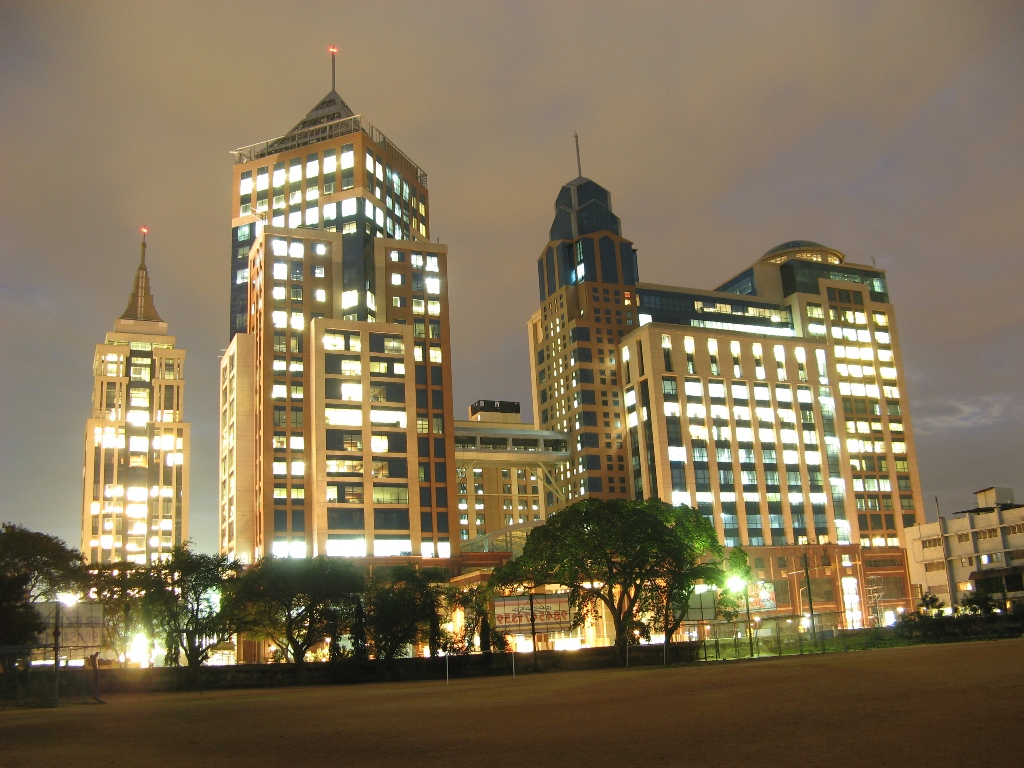
ಎರಡನೆಯದು, ಅವಕಾಶಗಳೆಲ್ಲ ಒಂದೇ ನಗರದಲ್ಲಿ ಗುಡ್ಡೆ ಬಿದ್ದಿವೆ. "ಕರ್ನಾಟಕದ ಆರ್ಥಿಕತೆಯಲ್ಲಿ ಬೆಂಗಳೂರು ನಗರದ ಪಾಲು 2022–23ರ 37.8%ರಿಂದ 2023–24ರಲ್ಲಿ 39.1%ಕ್ಕೆ ಏರಿದೆ" — ಅಂದರೆ ಒಂದೇ ಜಿಲ್ಲೆ ಇಡೀ ರಾಜ್ಯದ ಸಂಪತ್ತಿನ ಸುಮಾರು ಎರಡನೇ–ಎರಡು ಭಾಗ ಉತ್ಪಾದಿಸುತ್ತಿದೆ, ಮತ್ತು ಇಲ್ಲಿನ ತಲಾ ಆದಾಯ ರಾಜ್ಯದ ಸರಾಸರಿಗಿಂತ ಎರಡು ಪಟ್ಟಿಗೂ ಹೆಚ್ಚು. ಐಟಿ ಕ್ಷೇತ್ರದಲ್ಲಿ, ಕರ್ನಾಟಕದ ಐಟಿ ರಫ್ತಿನ ಸುಮಾರು 95% ಒಂದೇ ಬೆಂಗಳೂರಿನಿಂದ ಬರುತ್ತದೆ; ಉಳಿದ 5%ನ್ನು ಮಾತ್ರ ಬೇರೆ ಎಲ್ಲ ನಗರಗಳು ಹಂಚಿಕೊಳ್ಳಬೇಕು. ಹುಬ್ಬಳ್ಳಿ ಇಲ್ಲವೇ ಕಲಬುರಗಿಯ ಒಬ್ಬ ಯುವ ಸಾಫ್ಟ್ವೇರ್ ಪದವೀಧರನಿಗೆ ರೈಲು ಹತ್ತುವುದನ್ನು ಬಿಟ್ಟರೆ ಬೇರೆ ದಾರಿಯೇ ಇಲ್ಲ.
ಇದನ್ನು 24 ವರ್ಷಗಳ ಹಿಂದೆಯೇ ಗುರುತಿಸಲಾಗಿತ್ತು — ಆದರೆ ಸರಿಪಡಿಸಲೇ ಇಲ್ಲ
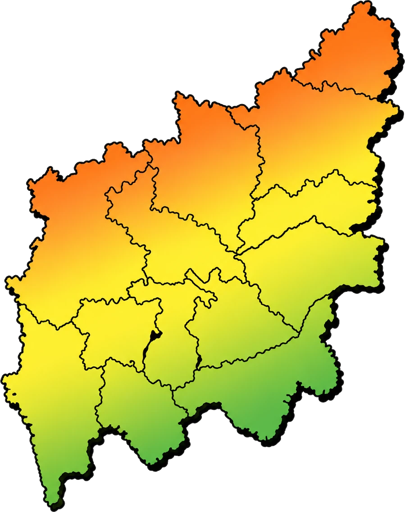
ಇದೇನು ಹೊಸ ಸಂಶೋಧನೆ ಅಲ್ಲ. 2002ರಲ್ಲೇ ಡಾ. ಡಿ. ಎಂ. ನಂಜುಂಡಪ್ಪ ಸಮಿತಿ — ರಾಜ್ಯದ್ದೇ ಆದ ಪ್ರಾದೇಶಿಕ ಅಸಮತೋಲನ ಕುರಿತ ಉನ್ನತಾಧಿಕಾರ ಸಮಿತಿ — ಕರ್ನಾಟಕದಾದ್ಯಂತ 114 ಹಿಂದುಳಿದ ತಾಲೂಕುಗಳನ್ನು ಗುರುತಿಸಿತ್ತು; ಅವುಗಳಲ್ಲಿ 39 ತಾಲೂಕುಗಳು "ಅತ್ಯಂತ ಹಿಂದುಳಿದ" ತಾಲೂಕುಗಳಾಗಿದ್ದವು. ಆ ಸಮಿತಿ ಉತ್ತರ ಕರ್ನಾಟಕವನ್ನು ಅಧಿಕೃತವಾಗಿ "ಹೆಚ್ಚು ಹಿಂದುಳಿದ" ಎಂದೂ, ಕಲ್ಯಾಣ ಕರ್ನಾಟಕ (ಹೈದರಾಬಾದ್–ಕರ್ನಾಟಕ) ಭಾಗವನ್ನು ದಕ್ಷಿಣಕ್ಕೆ ಹೋಲಿಸಿದಾಗ "ಅತ್ಯಂತ ಹಿಂದುಳಿದ" ಎಂದೂ ವರ್ಗೀಕರಿಸಿತ್ತು.
ಅಂದಿನಿಂದ ಇಲ್ಲಿಯವರೆಗೆ ಏನು ಬದಲಾಗಿದೆ? ಮುಖ್ಯವಾಗಿ ಬದಲಾಗಬೇಕಿದ್ದ ಕಡೆ ಬಹುತೇಕ ಏನೂ ಆಗಿಲ್ಲ. 2026ರ ಮಾರ್ಚ್ನ ಒಂದು ವಿಶ್ಲೇಷಣೆ ಪ್ರಕಾರ, ಅದೇ ನಂಜುಂಡಪ್ಪ ಮಾನದಂಡಗಳ ಆಧಾರದ ಮೇಲೆ "ಉತ್ತರ ಕರ್ನಾಟಕದ 23 ತಾಲೂಕುಗಳು ಇಂದಿಗೂ ಅತ್ಯಂತ ಹಿಂದುಳಿದ ತಾಲೂಕುಗಳೆಂದೇ ವರ್ಗೀಕೃತವಾಗಿವೆ" — ಆದರೆ ಬೆಂಗಳೂರು ಮತ್ತು ಮೈಸೂರು ವಿಭಾಗಗಳ "ಅತ್ಯಂತ ಹಿಂದುಳಿದ" 12 ತಾಲೂಕುಗಳೆಲ್ಲ ಆ ಸ್ಥಿತಿಯಿಂದ ಮೇಲೆ ಬಂದಿವೆ. ದಕ್ಷಿಣ ಮುಂದೆ ಸಾಗಿತು. ನಾವು ಇದ್ದಲ್ಲೇ ಸಿಕ್ಕಿ ಹಾಕಿಕೊಂಡೆವು. ಇದು ದುರಾದೃಷ್ಟ ಅಲ್ಲ — ಇದು ರಾಜಕೀಯ ಇಚ್ಛಾಶಕ್ತಿಯ ಕೊರತೆ.
ಉದ್ಯೋಗಗಳನ್ನು ನಮ್ಮ ನೆಲಕ್ಕೆ ಹ್ಯಾಂಗ ತರೋದು?
ಒಳ್ಳೇ ಸುದ್ದಿ ಏನಂದ್ರ, ಇದಕ್ಕೆ ಪರಿಹಾರ ಯಾವ ಗುಟ್ಟೂ ಅಲ್ಲ; ಮತ್ತು ಸರ್ಕಾರ ಕೊನೆಗೂ ಸರಿಯಾದ ಮಾತುಗಳನ್ನು ಹೇಳಲಿಕ್ಕೆ ಶುರು ಮಾಡಿದೆ. ಇನ್ವೆಸ್ಟ್ ಕರ್ನಾಟಕ 2025ರಲ್ಲಿ ಸರ್ಕಾರ ₹10.27 ಲಕ್ಷ ಕೋಟಿ ಮೌಲ್ಯದ ಹೂಡಿಕೆ ಪ್ರಸ್ತಾವನೆಗಳನ್ನು ಪಡೆಯಿತು; ಮತ್ತು ಸುಮಾರು 75% ಬೆಂಗಳೂರಿನ ಹೊರಗೆ ಹೋಗ್ತದ, ಅದರಲ್ಲಿ 45%ಕ್ಕೂ ಹೆಚ್ಚು ಉತ್ತರ ಕರ್ನಾಟಕದಲ್ಲೇ ಕೇಂದ್ರೀಕೃತವಾಗ್ತದ ಎಂದು ಘೋಷಿಸಿತು.
ಇವು ಕಾಗದದ ಮೇಲಿನ ಭರವಸೆಗಳು, ನೆಲದ ಮೇಲಿನ ಕಾರ್ಖಾನೆಗಳಲ್ಲ — ಮತ್ತು 2002ರಿಂದ ಮುರಿದ ಭರವಸೆಗಳನ್ನು ಕಂಡ ನಮ್ಮ ಭಾಗಕ್ಕೆ ಎಚ್ಚರಿಕೆಯಿಂದ ಇರೋ ಪೂರ್ಣ ಹಕ್ಕಿದೆ. ಪ್ರತಿ ಸರ್ಕಾರಕ್ಕೂ ನಮ್ಮ ಬೇಡಿಕೆ ಸರಳ ಮತ್ತು ಸತ್ಯಾಂಶ ಆಧಾರಿತ:
- ಭರವಸೆಗಳನ್ನು ಸಂಬಳ ಪಟ್ಟಿಗಳಾಗಿ ಬದಲಿಸಿ. ಆ 45% ಉತ್ತರ ಕರ್ನಾಟಕದ ಬದ್ಧತೆಯಲ್ಲಿ ಎಷ್ಟು ಹಣ ನಿಜವಾಗಿ ಖರ್ಚಾಗಿದೆ ಮತ್ತು ಎಷ್ಟು ಸ್ಥಳೀಯ ಉದ್ಯೋಗಗಳು ಸೃಷ್ಟಿಯಾಗಿವೆ ಎಂಬುದನ್ನು ತಾಲೂಕುವಾರು ಪತ್ತೆ ಹಚ್ಚಿ, ಪ್ರಕಟಿಸಿ.
- ವಿಶೇಷ ಅಭಿವೃದ್ಧಿ ಯೋಜನೆಯ ಹಣವನ್ನು ಪ್ರಾಮಾಣಿಕವಾಗಿ ಖರ್ಚು ಮಾಡಿ. ನಂಜುಂಡಪ್ಪ ಚೌಕಟ್ಟಿನಡಿ ಮೀಸಲಿಟ್ಟ ಹಣ ಹಿಂದುಳಿದ ತಾಲೂಕುಗಳಿಗೆ ತಲುಪಬೇಕು — ಬೇರೆಡೆಗೆ ತಿರುಗಿಸುವುದಾಗಲೀ, ಖರ್ಚಾಗದೆ ಉಳಿಯುವುದಾಗಲೀ ಆಗಬಾರದು.
- ನಮ್ಮ ಜಿಲ್ಲಾ ಕೇಂದ್ರಗಳಲ್ಲಿ ಕೈಗಾರಿಕೆ ಮತ್ತು ಐಟಿ ಕ್ಲಸ್ಟರ್ಗಳನ್ನು ಕಟ್ಟಿ — ಕಲಬುರಗಿ, ಹುಬ್ಬಳ್ಳಿ–ಧಾರವಾಡ, ವಿಜಯಪುರ, ಬಳ್ಳಾರಿ — ಇದರಿಂದ ಪದವೀಧರ ತನ್ನ ಮನೆಯ ಹತ್ತಿರವೇ ಕೆಲಸ ಮಾಡಬಹುದು; ಜೊತೆಗೆ ಆ ಕೆಲಸಗಳಿಗೇ ನಮ್ಮ ಯುವಕರಿಗೆ ಕೌಶಲ್ಯ ತರಬೇತಿ ಕೊಡಿ.
- ಬುನಾದಿಯನ್ನು ಸರಿಪಡಿಸಿ: ನೀರಾವರಿ ಮತ್ತು ನೀರಿನ ಭದ್ರತೆ — ಮಳೆ ಕೈ ಕೊಟ್ಟರೂ ಹಳ್ಳಿ ಬರಿದಾಗದಂತೆ.
ನಮ್ಮ ಯುವಕರಿಗೆ ತಮ್ಮದೇ ನೆಲದಲ್ಲಿ ಭವಿಷ್ಯ ಸಿಗಬೇಕು — ದಕ್ಷಿಣದ ಕಡೆಗಿನ ಒನ್–ವೇ ಟಿಕೆಟ್ ಅಲ್ಲ. ಕಿತ್ತೂರು ಕಲ್ಯಾಣ ಕರ್ನಾಟಕ ಸೇನೆ ಆ ನ್ಯಾಯಕ್ಕಾಗಿ ನಿಂತಿದೆ. ರೋಗನಿರ್ಣಯ 24 ವರ್ಷ ಹಳೆಯದು. ದತ್ತಾಂಶ ಸಾರ್ವಜನಿಕವಾಗಿದೆ. ಈಗ ಉದ್ಯೋಗಗಳು ನಮ್ಮ ನೆಲಕ್ಕೆ ಮರಳಿ ಬರಬೇಕಾದ ಸಮಯ ಬಂದಿದೆ.
ಉತ್ತರ ಕರ್ನಾಟಕದ ಯುವಕರು ಕೆಲಸ ಹುಡುಕಿ ಬೆಂಗಳೂರಿಗೆ ವಲಸೆ ಹೋಗುತ್ತಿದ್ದಾರೆ, ಏಕೆಂದರೆ ಉದ್ಯೋಗ, ಬಂಡವಾಳ ಮತ್ತು ಅಭಿವೃದ್ಧಿ ಒಂದೇ ನಗರದಲ್ಲಿ ಕೇಂದ್ರೀಕೃತವಾಗಿದೆ. ಜಿಲ್ಲಾ ಕೇಂದ್ರಗಳಲ್ಲಿಯೇ ಉದ್ಯಮ ಮತ್ತು ಕೌಶಲ್ಯ ತಂದರೆ ಮಾತ್ರ ನಮ್ಮ ಮಕ್ಕಳು ಮನೆಯಲ್ಲೇ ಉಳಿಯಬಲ್ಲರು.
---
Walk through any village in Raichur, Kalaburagi, Yadgir, Koppal or Vijayapura, and you will hear the same story in every house: the son is in Bengaluru, the daughter is in Pune, the family land lies half-worked. Our young people are not lazy and they do not want to leave. They leave because the jobs are not here. This is the single biggest injustice facing North Karnataka today — and it is the reason the Kittur Kalyan Karnataka Sena exists: to fight for regional justice, so that the development our region was promised actually reaches our soil.
Why do they leave?
Two forces push our youth south, and both are well documented.
First, the land cannot hold them. Districts like Raichur and Kalaburagi sit in a dry, rainfed agro-climatic zone. Raichur has faced rainfall shortage in year after year, driving repeated agrarian distress and large-scale out-migration to cities like Bengaluru, Mangaluru, Pune and Mumbai (The Migration Story, Deccan Herald). When the rains fail, migration becomes the only way to survive.
Second, the opportunity is hoarded in one city. Bengaluru Urban's share of Karnataka's economy rose from 37.8% in 2022-23 to 39.1% in 2023-24 — one district producing nearly two-fifths of the entire state's wealth, with a per capita income more than double the state average (Deccan Herald, Economic Survey). In the IT sector — the very industry our graduates are trained for — roughly 95% of Karnataka's IT exports come from Bengaluru alone, leaving every other city to share the remaining 5%. A young software graduate in Hubballi or Kalaburagi has almost no choice but to board the train.
This was diagnosed 24 years ago — and never fixed
This is not a new discovery. Back in 2002, the Dr D. M. Nanjundappa Committee — the state's own High-Powered Committee on Regional Imbalances — identified 114 backward taluks across Karnataka, of which 39 were "most backward." It formally categorised North Karnataka as "more backward" and the Kalyana Karnataka (Hyderabad-Karnataka) region as "most backward" compared to the south (ResearchGate study).
What has changed since then? Almost nothing where it matters most. A March 2026 Deccan Herald analysis found that 23 taluks of North Karnataka are still classified "most backward" by the same Nanjundappa standards — while all 12 "most backward" taluks in the Bengaluru and Mysuru divisions have since climbed out (Deccan Herald, 2026). The south moved up. We stayed stuck. That is not bad luck — that is a failure of political will.
How do we bring the jobs home?
The good news is that the solution is no mystery, and the state has finally started saying the right things. At Invest Karnataka 2025, the government secured ₹10.27 lakh crore in investment proposals and announced that around 75% would go outside Bengaluru, with over 45% concentrated in North Karnataka (Business Standard, India Briefing).
These are promises on paper, not factories on the ground — and after the broken promises since 2002, our region has every right to be cautious. Our demand to every government is simple and fact-anchored:
- Convert promises into payrolls. Track and publish, taluk by taluk, how much of that 45% North Karnataka commitment has actually been spent and how many local jobs it created.
- Spend the Special Development Plan funds honestly. Money allocated under the Nanjundappa framework must reach backward taluks — not be diverted or left unspent.
- Build industry and IT clusters in our district headquarters — Kalaburagi, Hubballi-Dharwad, Vijayapura, Ballari — so a graduate can work near home, and skill our youth for those very jobs.
- Fix the foundation: irrigation and water security so a failed monsoon no longer empties a village.
Our young people deserve a future in their own soil — not a one-way ticket south. Kittur Kalyan Karnataka Sena stands for that justice. The diagnosis is 24 years old. The data is public. It is time the jobs came home.
ನಮ್ಮ ಮಾತು ನಂಬಬೇಡಿ, ಆಧಾರ ನೋಡಿDon't take our word — see the proof (7)
- https://www.researchgate.net/publication/328982037_Implementation_of_D_M_Nanjundappa_Committee_Recommendations_for_Redressal_of_Regional_Imbalance
- https://www.deccanherald.com/india/karnataka/23-taluks-of-north-karnataka-listed-as-most-backward-since-2002-report-3937051
- https://www.deccanherald.com/india/karnataka/on-the-up-and-up-karnatakas-share-in-indias-gdp-3437507
- https://themigrationstory.com/post/byinvitation/
- https://www.deccanherald.com/content/543117/migration-only-way-survive-drought.html
- https://www.business-standard.com/economy/news/invest-karnataka-2025-wraps-up-with-rs-10-27-trillion-commitment-125021401457_1.html
- https://www.india-briefing.com/news/karnataka-industrial-policy-2025-30-global-investor-meet-2025-outcomes-36130.html/