
ಸಂಗೊಳ್ಳಿ ರಾಯಣ್ಣ: ಕಿತ್ತೂರಿನ ಸೈನಿಕ ಮತ್ತು ಅವನ ಬಲಿದಾನ ಇಂದು ನಮಗೆ ಕಲಿಸುವ ಪಾಠSangolli Rayanna: the soldier of Kittur and what his sacrifice teaches us today
ಸಂಗೊಳ್ಳಿಯಲ್ಲಿ ಹುಟ್ಟಿ, 1831ರ ಜನವರಿ 26ರಂದು ನಂದಗಡದಲ್ಲಿ ನೇಣುಗಂಬ ಏರಿದ ರಾಯಣ್ಣ — ರಾಣಿ ಚೆನ್ನಮ್ಮನ ಹೋರಾಟವನ್ನು ಜೀವಂತವಾಗಿಟ್ಟ ಕಿತ್ತೂರಿನ ಸೈನಿಕ. ಅವನ ಬದುಕು ಉತ್ತರ ಕರ್ನಾಟಕದ್ದೇ ಪ್ರತಿರೋಧದ ಕಥೆ — ಮತ್ತು ಈ ನೆಲವನ್ನು ಎಂದಿಗೂ ಅಂಚಿಗೆ ತಳ್ಳಬಾರದೆಂಬ ನೆನಪು.Born in Sangolli and hanged at Nandagad on 26 January 1831, Rayanna was the soldier of Kittur who kept Rani Chennamma's fight alive. His life is North Karnataka's own story of resistance — and a reminder of why this land must never be left at the margins.
ಸಂಗೊಳ್ಳಿ ರಾಯಣ್ಣ: ಕಿತ್ತೂರಿನ ಸೈನಿಕ ಮತ್ತು ಅವನ ಬಲಿದಾನ ಇಂದು ನಮಗೆ ಕಲಿಸುವ ಪಾಠ
ಕಿತ್ತೂರ ಕಲ್ಯಾಣ ಕರ್ನಾಟಕ ಸೇನೆಯವರಾದ ನಾವು ಪ್ರಾದೇಶಿಕ ನ್ಯಾಯದ ಮಾತು ಆಡಿದಾಗ, ಅದು ಯಾವುದೋ ಹೊಸ ದೂರು ಅಲ್ಲ. ಅದು ಬಹಳ ಹಳೆಯದೊಂದು ಸಾಲದ ನೆನಪು. ಈ ದೇಶ ಅನುಭವಿಸುತ್ತಿರುವ ಸ್ವಾತಂತ್ರ್ಯಕ್ಕಾಗಿ ಉತ್ತರ ಕರ್ನಾಟಕದ ಮಣ್ಣು ಆಗಲೇ ರಕ್ತ ಸುರಿಸಿ ಬೆಲೆ ತೆತ್ತಿದೆ — ಅದಕ್ಕೆ ಸಂಗೊಳ್ಳಿ ರಾಯಣ್ಣನೇ ಸಾಕ್ಷಿ.
ಈ ನೆಲದ ಮಗ
ರಾಯಣ್ಣ 1798ರ ಆಗಸ್ಟ್ 15ರಂದು, ಇಂದಿನ ಬೆಳಗಾವಿ ಜಿಲ್ಲೆಯ ಸಂಗೊಳ್ಳಿ ಊರಿನಲ್ಲಿ ಹುಟ್ಟಿದ — ನಾವು ಸೇವೆ ಮಾಡುವ ಕಿತ್ತೂರ-ಕಲ್ಯಾಣ ನಾಡಿನ ಹೃದಯಭಾಗದಲ್ಲೇ. ಮುಂದೆ ಅವನು ರಾಣಿ ಚೆನ್ನಮ್ಮನ ಕೆಳಗೆ ಕಿತ್ತೂರ ಸಂಸ್ಥಾನದ ಸೈನ್ಯದ ಹಿರಿಯ ದಂಡನಾಯಕನಾಗಿ ಬೆಳೆದ. ಅವನು ಯಾವುದೋ ರಾಜಕುಮಾರನೂ ಅಲ್ಲ, ಪರದೇಶಿ ಸೇನಾಪತಿಯೂ ಅಲ್ಲ. ತನ್ನ ರಾಣಿಗಾಗಿ, ತನ್ನ ನೆಲಕ್ಕಾಗಿ ಕತ್ತಿ ಹಿಡಿದ ಸಾಮಾನ್ಯ ಮನೆತನದ ಇಲ್ಲಿಯ ಮಗ.
ರಾಣಿ ಬಿದ್ದಾಗಲೂ ಸೈನಿಕ ಬೀಳಲಿಲ್ಲ
1824ರಲ್ಲಿ ಬ್ರಿಟಿಷ್ ಈಸ್ಟ್ ಇಂಡಿಯಾ ಕಂಪನಿ ಕಿತ್ತೂರಿನ ರಾಜನ ಮರಣದ ಬಳಿಕ, ತನ್ನ ಕುಖ್ಯಾತ "ಡಾಕ್ಟ್ರಿನ್ ಆಫ್ ಲ್ಯಾಪ್ಸ್" ಅನ್ನು ಮುಂದಿಟ್ಟು ಸಂಸ್ಥಾನವನ್ನು ನುಂಗಲು ಮುಂದಾಯಿತು. ರಾಣಿ ಚೆನ್ನಮ್ಮ ದಂಗೆ ಎದ್ದಳು; ಆ ಹೋರಾಟದಲ್ಲಿ ರಾಯಣ್ಣ ಹೋರಾಡಿದ, ಸೆರೆಯಾದ, ಮುಂದೆ ಬಿಡುಗಡೆಯೂ ಆದ. 1829ರ ವೇಳೆಗೆ ಚೆನ್ನಮ್ಮ ಸೋತಿದ್ದಳು, ರಾಯಣ್ಣನ ಬಹುಪಾಲು ಭೂಮಿಯೂ ಮುಟ್ಟುಗೋಲಾಗಿತ್ತು. ಕಡಿಮೆ ಎದೆಗಾರಿಕೆಯ ಮನುಷ್ಯನಾದರೆ ಸುಮ್ಮನಾಗುತ್ತಿದ್ದ. ರಾಯಣ್ಣ ತದ್ವಿರುದ್ಧ ನಡೆದ.
ಅವನು ಸಶಸ್ತ್ರ ಪ್ರತಿರೋಧವನ್ನೇ ಆರಂಭಿಸಿದ. ರೈತರನ್ನು ಒಗ್ಗೂಡಿಸಿದ, ಕಂಪನಿಯ ಕಚೇರಿಗಳ ಮೇಲೆ, ಖಜಾನೆಗಳ ಮೇಲೆ ದಾಳಿ ಮಾಡಿದ, ಸರ್ಕಾರಿ ಕಟ್ಟಡಗಳಿಗೆ ಬೆಂಕಿ ಇಟ್ಟ, ಬ್ರಿಟಿಷ್ ಸೈನ್ಯಕ್ಕೆ ಹೊಂಚು ಹಾಕಿದ — ಆಮೇಲೆ ದೊಡ್ಡ ಪಡೆಗಳು ಹಿಡಿಯುವ ಮುನ್ನವೇ ಹಳ್ಳಿ-ಕಾಡುಗಳಲ್ಲಿ ಮರೆಯಾಗುತ್ತಿದ್ದ. ಇವು ಬಡಿದು-ಓಡುವ (ಹಿಟ್-ಆಂಡ್-ರನ್) ತಂತ್ರಗಳು — ಬೆಳಗಾವಿಯ ಗದ್ದೆ-ಕಾಡುಗಳಿಂದ ನಡೆಸಿದ ಗೆರಿಲ್ಲಾ ಯುದ್ಧ; ಭಾರತದ ಬೇರೆಡೆ ಇಂಥ ರೀತಿ ಪ್ರಸಿದ್ಧವಾಗುವುದಕ್ಕೆ ದಶಕಗಳ ಮೊದಲೇ. ಅವನ ಗುರಿ ಸ್ಪಷ್ಟವಿತ್ತು: ಚೆನ್ನಮ್ಮ ದತ್ತು ತೆಗೆದುಕೊಂಡಿದ್ದ ಶಿವಲಿಂಗಪ್ಪನನ್ನು ಕಿತ್ತೂರಿನ ಗದ್ದುಗೆಯ ಮೇಲೆ ಕೂರಿಸುವುದು.
ದ್ರೋಹ ಮತ್ತು ಆಲದ ಮರ
ಯುದ್ಧದಲ್ಲಿ ಸೋಲಿಸಲಾಗದ ಸೈನಿಕನನ್ನು ಸಾಮಾನ್ಯವಾಗಿ ದ್ರೋಹದಿಂದಲೇ ಹಿಡಿಯುತ್ತಾರೆ. 1830ರ ಏಪ್ರಿಲ್ನಲ್ಲಿ ರಾಯಣ್ಣನನ್ನು ಶಿವಲಿಂಗಪ್ಪನ ಸಂಗಡ ಸೆರೆ ಹಿಡಿದು, ಬ್ರಿಟಿಷರು ಮರಣದಂಡನೆ ವಿಧಿಸಿದರು. 1831ರ ಜನವರಿ 26ರಂದು — ಮುಂದೆ ಒಂದು ಶತಮಾನದ ಬಳಿಕ ಭಾರತದ ಗಣರಾಜ್ಯೋತ್ಸವದ ದಿನವಾಗಲಿದ್ದ ಅದೇ ದಿನಾಂಕದಂದು — ನಂದಗಡದ ಬಳಿಯ ಆಲದ ಮರಕ್ಕೆ ನೇಣುಹಾಕಿ ಅವನನ್ನು ಕೊಂದರು; ಆಗ ಅವನಿಗೆ ಬರೀ 33 ವರ್ಷ. ಅವನ ಸಂಗಾತಿ ಚೆನ್ನಬಸಪ್ಪ ಆ ಸಮಾಧಿಯ ಮೇಲೆ ಆಲದ ಸಸಿಯೊಂದನ್ನು ನೆಟ್ಟ; ಆ ಮರ ಇಂದಿಗೂ ನಿಂತಿದೆ. ಆ ಜಾಗದಲ್ಲಿ ಇಂದು ಸ್ಮಾರಕ ಸ್ತಂಭ ಎದ್ದಿದೆ.
ಇಂದಿಗೂ ಅವನ ಹೆಸರು ಹೇಳುವುದೇಕೆ
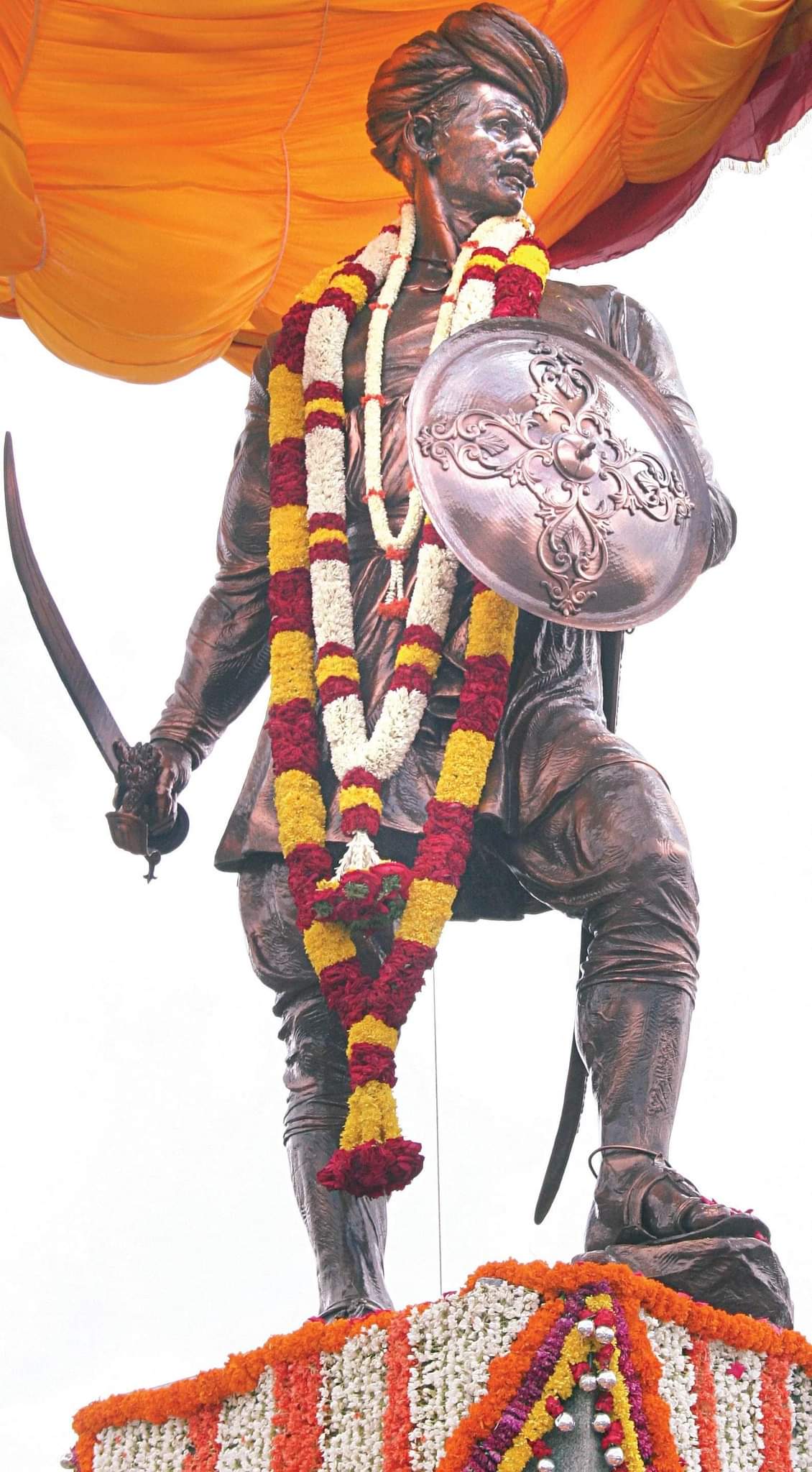
ಆಧುನಿಕ ಭಾರತ ತಡವಾಗಿಯಾದರೂ ಅವನನ್ನು ಗೌರವಿಸಿದೆ. ಬೆಂಗಳೂರು ನಗರ ರೈಲ್ವೆ ನಿಲ್ದಾಣದ ಬಳಿ ಅವನ ಕಂಚಿನ ಅಶ್ವಾರೋಹಿ ಪ್ರತಿಮೆ ನಿಂತಿದೆ; 2015ರಲ್ಲಿ ಆ ನಿಲ್ದಾಣಕ್ಕೆ "ಕ್ರಾಂತಿವೀರ ಸಂಗೊಳ್ಳಿ ರಾಯಣ್ಣ ಬೆಂಗಳೂರು ಜಂಕ್ಷನ್" ಎಂದು ಮರುನಾಮಕರಣ ಮಾಡಲಾಯಿತು. 1967 ಮತ್ತು 2012ರಲ್ಲಿ ಬಂದ ಎರಡು ಕನ್ನಡ ಚಿತ್ರಗಳು ಅವನ ಕಥೆಯನ್ನು ಹೊಸ ತಲೆಮಾರುಗಳಿಗೆ ತಲುಪಿಸಿದವು.
ಆದರೆ ಕಂಚಿನಲ್ಲಿ ಬರೆದ ಗೌರವ, ಬಜೆಟ್ನಲ್ಲಿ-ಉದ್ಯೋಗದಲ್ಲಿ-ರಸ್ತೆಯಲ್ಲಿ-ನೀರಿನಲ್ಲಿ ಬರೆದ ನ್ಯಾಯದಷ್ಟು ಅಲ್ಲ. ಅವನ ಬಲಿದಾನ ನಮಗೆ ಕಲಿಸುವ ಪಾಠದ ಸಾರ ಇದೇ. ಕಿತ್ತೂರನ್ನು ನುಂಗಿ ಮರೆತುಬಿಡಬಹುದಾದ ವಸ್ತುವಿನಂತೆ ನಡೆಸಿಕೊಂಡ ಕಾರಣ ರಾಯಣ್ಣ ಹೋರಾಡಿದ — ಕೇವಲ ಆದಾಯವನ್ನಷ್ಟೇ ನೋಡುತ್ತಿದ್ದ ದೂರದ ಆಡಳಿತ ಅದರ ಸ್ವಾಯತ್ತತೆಯನ್ನು ಅಳಿಸಿಹಾಕಿತ್ತು. ಇಂದಿನ ಉತ್ತರ ಕರ್ನಾಟಕವನ್ನೂ ಆಗಾಗ ಹಾಗೆಯೇ ನಡೆಸಿಕೊಳ್ಳಲಾಗುತ್ತದೆ: ವೀರರಲ್ಲಿ ಶ್ರೀಮಂತ, ಗಮನದಲ್ಲಿ ಬಡವ; ಗಣರಾಜ್ಯೋತ್ಸವದ ದಿನ ನೆನಪು, ಉಳಿದ ವರ್ಷವೆಲ್ಲ ಮರೆವು.
ಈ ನಾಡನ್ನು ಮತ್ತೆಂದೂ ಆಲೋಚನೆಯ ಕೊನೆಯ ಸಾಲಿನ ವಿಷಯವಾಗಿ ಆಳಬಾರದೆಂಬ ಕಾರಣಕ್ಕಾಗಿಯೇ ಕಿತ್ತೂರ ಕಲ್ಯಾಣ ಕರ್ನಾಟಕ ಸೇನೆ ಇದೆ. ಈ ನೆಲದ ಜನರನ್ನು ಅವರ ಹಿತಕ್ಕಾಗಿ, ಅವರದ್ದೇ ಕೈಯಿಂದ ಆಳಬೇಕೆಂದು ರಾಯಣ್ಣ ಪ್ರಾಣ ಕೊಟ್ಟ. ಇದು ಬರೀ ಹಳೆಯ ನೆನಪಲ್ಲ — ಇನ್ನೂ ಮುಗಿಯದ ಕೆಲಸ. ಬೆಳಗಾವಿ, ಕಲ್ಯಾಣ-ಕರ್ನಾಟಕ ಮತ್ತು ವಿಶಾಲ ಉತ್ತರ ಭಾಗಕ್ಕೆ ನ್ಯಾಯಯುತ ಪಾಲು ಕೇಳಿದಾಗ, ನಾವು ಅವನ ಹೆಸರಿನಲ್ಲೇ ಕೇಳುತ್ತೇವೆ.
ನಂದಗಡದ ಅವನ ಸಮಾಧಿ ಬರೀ ಪ್ರವಾಸಿ ತಾಣದ ಗುರುತಲ್ಲ. ಅದು ನಮ್ಮೆಲ್ಲರ ಮೇಲೆ ಹೊರಿಸಿದ ಜವಾಬ್ದಾರಿ: ಈ ಮಣ್ಣನ್ನು ಮತ್ತೊಮ್ಮೆ ಲಘುವಾಗಿ ತೆಗೆದುಕೊಳ್ಳಲು ಬಿಡಬೇಡಿ.
Sangolli Rayanna: the soldier of Kittur and what his sacrifice teaches us today
When we at the Kittur Kalyan Karnataka Sena speak of regional justice, we are not inventing a new grievance. We are remembering a very old debt. The soil of North Karnataka has already paid in blood for the freedom this nation enjoys — and Sangolli Rayanna is the proof.
A son of this soil
Rayanna was born on 15 August 1798 in the village of Sangolli, in present-day Belagavi district — the very heart of the Kittur-Kalyan country we serve. He rose to become a senior commander in the army of the Kingdom of Kittur, under Rani Chennamma. He was not a prince or a foreign general. He was a local man, of ordinary birth, who picked up a sword for his queen and his land.
When the queen fell, the soldier did not
In 1824, the British East India Company invoked its infamous Doctrine of Lapse to swallow Kittur after the death of its raja. Rani Chennamma rose in revolt; Rayanna fought in that uprising, was arrested, and later released. By 1829, with Chennamma defeated and much of his own land confiscated, a lesser man would have made his peace. Rayanna did the opposite.
He launched an insurgency. He recruited peasants, struck at Company buildings and treasuries, burned government offices and waylaid British troops, then melted back into the countryside before larger forces could corner him. These were hit-and-run tactics — guerrilla warfare waged from the fields and forests of Belagavi, decades before such methods became famous elsewhere in India. His aim was clear: to put Chennamma's adopted son, Shivalingappa, on the throne of Kittur.
Betrayal, and the banyan tree
A soldier who cannot be beaten is usually betrayed. In April 1830, Rayanna was captured alongside Shivalingappa and sentenced to death by the British. On 26 January 1831 — a date that would, a century later, become the day of India's Republic — he was hanged from a banyan tree near Nandagad, aged just 33. His associate Channabasappa planted a banyan sapling on his grave; that tree still stands. A memorial stambha marks the spot today.
Why we still say his name
Modern India has, belatedly, honoured him. A bronze equestrian statue stands near Bengaluru City Railway Station, and in 2015 that station itself was renamed Krantiveera Sangolli Rayanna Bengaluru Junction. Two Kannada films, in 1967 and 2012, carried his story to new generations.
But honour written in bronze is not the same as justice written in budgets, jobs, roads and water. This is the heart of what his sacrifice teaches us. Rayanna fought because Kittur was treated as a thing to be annexed and forgotten — its sovereignty erased by a distant power that saw only revenue. North Karnataka today is too often treated the same way: rich in heroes, poor in attention; remembered on Republic Day, overlooked the rest of the year.
The Kittur Kalyan Karnataka Sena exists so that this region is never again governed as an afterthought. Rayanna gave his life so that the people of this land would be ruled in their own interest, by their own hand. That is not nostalgia — it is an unfinished task. When we ask for fair share for Belagavi, Kalyana-Karnataka and the wider north, we ask in his name.
His grave at Nandagad is not only a tourist marker. It is a charge laid on every one of us: do not let this soil be taken for granted again.
ನಮ್ಮ ಮಾತು ನಂಬಬೇಡಿ, ಆಧಾರ ನೋಡಿDon't take our word — see the proof (4)
- https://en.wikipedia.org/wiki/Sangolli_Rayanna
- https://belagavitourism.com/destination/krantiveera-sangolli-rayanna-smaraka/
- https://www.deccanherald.com/india/karnataka/karnataka-to-observe-krantiveera-sangolli-rayannas-birth-martyrdom-1019528.html
- https://allaboutbelgaum.com/lifestyle/travel/sangolli-rayanna-memorial-nandgad/