ಹಿನ್ನೆಲೆ · Background & facts
- ಫ್ಲೋರೋಸಿಸ್ ಎಂದರೇನು: ಫ್ಲೋರೈಡ್ ಎಂಬುದು ಉತ್ತರ ಕರ್ನಾಟಕದ ಬಹುಭಾಗದ ತಳದಲ್ಲಿರುವ ಗ್ರಾನೈಟ್ ಮತ್ತು ಗಟ್ಟಿ ಶಿಲೆಯ ಜಲಸ್ತರಗಳಲ್ಲಿ ಸಹಜವಾಗಿ ಕಂಡುಬರುವ ಒಂದು ಖನಿಜ. ಕಡಿಮೆ ಪ್ರಮಾಣದಲ್ಲಿ (WHO ಮತ್ತು ಭಾರತದ ಮಿತಿ ಪ್ರತಿ ಲೀಟರ್ಗೆ 1.5 ಮಿಲಿಗ್ರಾಂವರೆಗೆ) ಅದು ಹಾನಿಕಾರಕವಲ್ಲ. ಆ ಮಿತಿ ದಾಟಿದ ನೀರನ್ನು ವರ್ಷಾನುಗಟ್ಟಲೆ ಕುಡಿದರೆ ಫ್ಲೋರೋಸಿಸ್ ಬರುತ್ತದೆ. ದಂತ ಫ್ಲೋರೋಸಿಸ್ ಹಲ್ಲುಗಳಿಗೆ ಕಲೆ ಹಾಕಿ, ಗುಂಡಿ ಬೀಳಿಸಿ, ಅವುಗಳನ್ನು ಹಳದಿ, ಕಂದು ಅಥವಾ ಸುಣ್ಣದ ಬಣ್ಣಕ್ಕೆ ತಿರುಗಿಸುತ್ತದೆ. ಎಲುಬಿನ (ಸ್ಕೆಲಿಟಲ್) ಫ್ಲೋರೋಸಿಸ್ ಇನ್ನೂ ಭೀಕರ: ಫ್ಲೋರೈಡ್ ಮೂಳೆಗಳಲ್ಲಿನ ಕ್ಯಾಲ್ಸಿಯಂ ಸ್ಥಾನವನ್ನು ಆಕ್ರಮಿಸಿ, ಮೂಳೆಗಳನ್ನು ದುರ್ಬಲ, ಬಿಗಿ ಮತ್ತು ವಿಕಾರಗೊಳಿಸುತ್ತದೆ — ಬಾಗಿದ ಬೆನ್ನು, ನೋವಿನ ಕೀಲುಗಳು, ಮತ್ತು ತೀವ್ರ ಸ್ಥಿತಿಯಲ್ಲಿ ನೆಟ್ಟಗಾಗದ ಊನಗೊಂಡ ಅಂಗಗಳು. ಬಾಟಲಿ ಅಥವಾ ಶುದ್ಧೀಕರಿಸಿದ ನೀರನ್ನು ಪಡೆಯಲಾಗದ ಮಕ್ಕಳು ಮತ್ತು ಬಡವರೇ ಅತಿ ಹೆಚ್ಚು ತೊಂದರೆಗೆ ಒಳಗಾಗುತ್ತಾರೆ.WHAT FLUOROSIS IS: Fluoride is a mineral that occurs naturally in the granite and hard-rock aquifers under much of North Karnataka. In small amounts (the WHO and Indian limit is up to 1.5 milligrams per litre) it is harmless. Above that limit, drinking the water for years causes fluorosis. Dental fluorosis stains and pits the teeth, turning them yellow, brown or chalky. Skeletal fluorosis is far worse: fluoride replaces calcium in the bones, making them weak, stiff and deformed — bent backs, painful joints, and in severe cases crippled limbs that cannot be straightened. Children and the poor, who cannot afford bottled or treated water, are hit hardest.
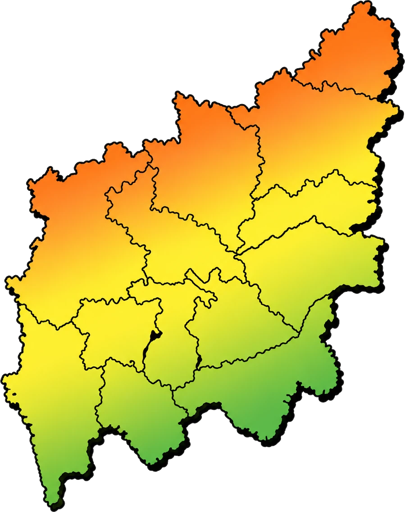
- ನಮ್ಮ ಭಾಗವೇ ಅತಿ ಹೆಚ್ಚು ಬಾಧಿತ ಪಟ್ಟಿ: ಕರ್ನಾಟಕದಾದ್ಯಂತ ಫ್ಲೋರೈಡ್ ಹಂಚಿಕೆಯನ್ನು ನಕ್ಷೆ ಮಾಡಿದ ಒಂದು ಪ್ರಾದೇಶಿಕ (ಸ್ಪೇಶಿಯಲ್) ಅಧ್ಯಯನವು ಈಶಾನ್ಯ ವಲಯ — ಅಂದರೆ ಬೀದರ್, ಕಲಬುರಗಿ (ಗುಲ್ಬರ್ಗ), ಯಾದಗಿರಿ, ರಾಯಚೂರು, ಕೊಪ್ಪಳ ಮತ್ತು ಬಳ್ಳಾರಿ, ಅಂದರೆ ಇಡೀ ಕಲ್ಯಾಣ ಕರ್ನಾಟಕ — ರಾಜ್ಯದಲ್ಲೇ ಅತಿ ಹೆಚ್ಚು ಸರಾಸರಿ ಫ್ಲೋರೈಡ್ ಮಟ್ಟವಾದ 1.61 ppm ಹೊಂದಿದೆ ಎಂದು ಕಂಡುಕೊಂಡಿತು; ಇದು ಈಗಾಗಲೇ ಸುರಕ್ಷಿತ ಮಿತಿಗಿಂತ ಮೇಲಿದೆ. ಕೊಪ್ಪಳದಲ್ಲಿ 5.70 ppmನಷ್ಟು, ಕಲಬುರಗಿಯಲ್ಲಿ 7.4 mg/lವರೆಗೆ ಮತ್ತು ರಾಯಚೂರಿನಲ್ಲಿ ಸುಮಾರು 5.15 mg/lವರೆಗಿನ ಮಟ್ಟಗಳು ದಾಖಲಾಗಿವೆ — ಇದು ಅನುಮತಿ ಮಿತಿಯ ಮೂರರಿಂದ ಐದು ಪಟ್ಟು.OUR REGION IS THE WORST-AFFECTED BELT: A spatial study mapping fluoride across Karnataka found the north-eastern zone — covering Bidar, Kalaburagi (Gulbarga), Yadgir, Raichur, Koppal and Ballari, i.e. the whole of Kalyana Karnataka — had the State's highest average fluoride level at 1.61 ppm, already above the safe limit. Koppal recorded readings as high as 5.70 ppm, Kalaburagi up to 7.4 mg/l and Raichur up to about 5.15 mg/l — three to five times the permissible limit.
- ಗಟ್ಟಿ ಅಂಕಿಅಂಶಗಳಲ್ಲಿ ಸಮಸ್ಯೆಯ ಗಾತ್ರ: ಕೇಂದ್ರ ಸಚಿವಾಲಯ / ಅಂತರ್ಜಲ ಸಮೀಕ್ಷೆ (2009-14ರಲ್ಲಿ ನಡೆದು, 2014ರಲ್ಲಿ The Hindu ವರದಿ ಮಾಡಿದ್ದು) ಕರ್ನಾಟಕದಾದ್ಯಂತ 41,368 ನೀರಿನ ಮಾದರಿಗಳನ್ನು ಪರೀಕ್ಷಿಸಿ, 4,039 ಮೂಲಗಳಲ್ಲಿ — ಅಂದಾಜು ಪ್ರತಿ ಹತ್ತರಲ್ಲಿ ಒಂದರಲ್ಲಿ — ಫ್ಲೋರೈಡ್ 1.5 mg/l ಮಿತಿಗಿಂತ ಬಹಳ ಮೇಲಿರುವುದನ್ನು ಕಂಡುಕೊಂಡಿತು. ವರ್ಷಗಳ ಕಾಲದ ರಾಜ್ಯ ಮತ್ತು ಗ್ರಾಮೀಣಾಭಿವೃದ್ಧಿ ದಾಖಲೆಗಳು ಫ್ಲೋರೈಡ್, ಆರ್ಸೆನಿಕ್ ಮತ್ತು ನೈಟ್ರೇಟ್ ಒಟ್ಟಿಗೆ ಬಾಧಿಸಿರುವ ಸಾವಿರಾರು ವಸತಿ ಪ್ರದೇಶಗಳನ್ನು ಗುರುತಿಸಿವೆ. ಇವು ಕೇವಲ ಅಮೂರ್ತ ಅಂಕಿಅಂಶಗಳಲ್ಲ: ಪ್ರತಿ ಕಲುಷಿತ ಮೂಲ ಎಂದರೆ, ಒಂದು ಹಳ್ಳಿಯ ಕುಟುಂಬ ಪ್ರತಿದಿನ ಕುಡಿಯುವ ಒಂದು ಬೋರ್ವೆಲ್ ಅಥವಾ ನಲ್ಲಿ.THE SCALE IN HARD NUMBERS: A Union Ministry / groundwater survey (carried out 2009-14 and reported by The Hindu in 2014) tested 41,368 water samples across Karnataka and found 4,039 sources — roughly one in every ten — with fluoride well above the 1.5 mg/l limit. State and rural-development records over the years have flagged thousands of habitations affected by fluoride, arsenic and nitrate together. These are not abstract figures: each contaminated source is a borewell or tap that a village family drinks from every single day.
- ನಮ್ಮ ಮಕ್ಕಳಲ್ಲಿ ಫ್ಲೋರೋಸಿಸ್ — 2023ರ ಅಧ್ಯಯನ: 2023ರಲ್ಲಿ ಪ್ರಕಟವಾದ ಸಮುದಾಯ ಆಧಾರಿತ, ತಜ್ಞ-ಪರಿಶೀಲಿತ (peer-reviewed) ಅಧ್ಯಯನವೊಂದು ರಾಯಚೂರು ಜಿಲ್ಲೆಯ (NITI ಆಯೋಗ್ನ 'ಆಕಾಂಕ್ಷಿತ' ಜಿಲ್ಲೆ) ಮಾನ್ವಿ ಮತ್ತು ದೇವದುರ್ಗ ತಾಲ್ಲೂಕುಗಳ 17 ಹಳ್ಳಿಗಳಲ್ಲಿ 6-12 ವಯಸ್ಸಿನ 1,614 ಶಾಲಾ ಮಕ್ಕಳನ್ನು ಪರೀಕ್ಷಿಸಿತು. ಅದು 46.0% ಮಕ್ಕಳಲ್ಲಿ — ಅಂದರೆ ಇಬ್ಬರಲ್ಲಿ ಸುಮಾರು ಒಬ್ಬರಲ್ಲಿ — ದಂತ ಫ್ಲೋರೋಸಿಸ್ ಇರುವುದನ್ನು ಕಂಡುಕೊಂಡಿತು, ಮತ್ತು ನೀರಿನ ಫ್ಲೋರೈಡ್ 3 ppm ದಾಟಿದಲ್ಲಿ ಅಪಾಯ ತೀವ್ರವಾಗಿ ಏರುತ್ತದೆ ಎಂದು ದೃಢಪಡಿಸಿತು. ಈ ಸಮಸ್ಯೆ ಗತಕಾಲದ್ದಲ್ಲ, ಇಂದಿಗೂ ಜೀವಂತವಾಗಿದ್ದು ಮುಂದಿನ ಪೀಳಿಗೆಗೇ ಬಾಧಿಸುತ್ತಿದೆ ಎಂಬುದಕ್ಕೆ ಇದು ನೇರ, ವೈಜ್ಞಾನಿಕ ಸಾಕ್ಷಿ.FLUOROSIS IN OUR CHILDREN — A 2023 STUDY: A peer-reviewed, community-based study published in 2023 examined 1,614 schoolchildren aged 6-12 across 17 villages of Manvi and Devadurga talukas in Raichur district (a NITI Aayog 'aspirational' district). It found dental fluorosis in 46.0% of the children — nearly one in two — and confirmed that the risk rose sharply where water fluoride crossed 3 ppm. This is direct, scientific proof that the problem is live and affecting the next generation, not a thing of the past.
- ಆರ್ಸೆನಿಕ್ ಮತ್ತು ಯುರೇನಿಯಂ ಸಮಸ್ಯೆಯನ್ನು ಮತ್ತಷ್ಟು ಹದಗೆಡಿಸುತ್ತವೆ: ನಮ್ಮ ಭಾಗದ ಕೆಲವೆಡೆ ನೀರಿನಲ್ಲಿ ಫ್ಲೋರೈಡ್ಗಿಂತ ಹೆಚ್ಚಿನದ್ದೂ ಇದೆ. ಸುಮಾರು ಒಂದು ಲಕ್ಷ ಜನರು — 63 ಹಳ್ಳಿಗಳಲ್ಲಿ, ಅಂದರೆ ರಾಯಚೂರಿನ 44 ಮತ್ತು ಯಾದಗಿರಿಯ 19 ಹಳ್ಳಿಗಳಲ್ಲಿ — ಆರ್ಸೆನಿಕ್ ಕಲುಷಿತ ನೀರಿನಿಂದ ಗಂಭೀರ ಆರೋಗ್ಯ ಅಪಾಯವನ್ನು ಎದುರಿಸುತ್ತಿದ್ದಾರೆ ಎಂದು ವರದಿಗಳು ಅಂದಾಜಿಸಿವೆ; ಈಶಾನ್ಯ ಪಟ್ಟಿಯಲ್ಲಿ ಆರ್ಸೆನಿಕ್ ಮಟ್ಟ ಬಹಳ ಹೆಚ್ಚಾಗಿದೆ. ಯಾದಗಿರಿಯ ಗೋಗಿ ಹಳ್ಳಿಯ ಸುತ್ತಮುತ್ತ, ಯುರೇನಿಯಂ ಅನ್ವೇಷಣಾ ವಲಯದ ಬಳಿ, ನಿವಾಸಿಗಳು ವರ್ಷಾನುಗಟ್ಟಲೆ ಕಲುಷಿತ ಕುಡಿಯುವ ನೀರು ಮತ್ತು ವಿವರಿಸಲಾಗದ ಕಾಯಿಲೆಗಳ ಬಗ್ಗೆ ದೂರು ಹೇಳುತ್ತಿದ್ದಾರೆ. ಹಲವು ವಿಷಗಳು ಒಟ್ಟಿಗೆ ಸೇರುವಲ್ಲೆಲ್ಲಾ ಅಪಾಯ ಹಲವು ಪಟ್ಟು ಹೆಚ್ಚುತ್ತದೆ.ARSENIC AND URANIUM MAKE IT WORSE: In parts of our region the water carries more than fluoride. Reports have estimated that around one lakh people in 63 villages — 44 in Raichur and 19 in Yadgir — face serious health risk from arsenic-contaminated water, with arsenic in the north-eastern belt reaching very high levels. Around Gogi village in Yadgir, near a uranium-exploration zone, residents have for years complained of contaminated drinking water and unexplained illnesses. Wherever multiple toxins combine, the danger multiplies.
- ಆಳವಾದ ಕಥೆ — ಪ್ರಾದೇಶಿಕ ನಿರ್ಲಕ್ಷ್ಯ: ಕುಡಿಯುವ ನೀರು ಒಂದು ವಿಶಾಲ ನಿರ್ಲಕ್ಷ್ಯದ ಒಂದು ಲಕ್ಷಣ ಅಷ್ಟೇ. 2022ರಲ್ಲಿ ಭಾರತದ ಮಹಾಲೆಕ್ಕಪರಿಶೋಧಕ (CAG) ಕಲ್ಯಾಣ ಕರ್ನಾಟಕದ ಅಭಿವೃದ್ಧಿಯನ್ನು ಲೆಕ್ಕಪರಿಶೋಧಿಸಿ, 371-ಜೆ ವಿಧಿಯ ಅಭಿವೃದ್ಧಿ ಮಂಡಳಿ ಸ್ಥಾಪನೆಯಾದ ಮೇಲೂ ಈ ಪ್ರದೇಶ 'ಹಿಂದುಳಿದದ್ದಾಗಿಯೇ ಉಳಿದಿದೆ' ಎಂದು ತೀರ್ಮಾನಿಸಿತು. ಶಿಶು ಮರಣ ಪ್ರಮಾಣ ಉಳಿದ ಕರ್ನಾಟಕಕ್ಕಿಂತ ಹೆಚ್ಚಿರುವುದನ್ನು; ಮಕ್ಕಳ ರಕ್ತಹೀನತೆಯಲ್ಲಿ ರಾಜ್ಯದ ಅತಿ ಕೆಟ್ಟ ಮೂರು ಜಿಲ್ಲೆಗಳಾದ ಯಾದಗಿರಿ (76%), ಕಲಬುರಗಿ (75.1%) ಮತ್ತು ರಾಯಚೂರು (73.6%) ಇರುವುದನ್ನು; ಮತ್ತು ನಂಜುಂಡಪ್ಪ ಸಮಿತಿಯ ತಾಲ್ಲೂಕು ವರ್ಗೀಕರಣದ ಪ್ರಕಾರ ಈ ಪ್ರದೇಶದ 31 ತಾಲ್ಲೂಕುಗಳ ಪೈಕಿ 21 'ಅತ್ಯಂತ ಹಿಂದುಳಿದ'ವಾಗಿರುವುದನ್ನು CAG ಕಂಡುಕೊಂಡಿತು. ಸಹಾಯ ಬರುತ್ತಿದೆ ಎಂದು ಒಂದು ದಶಕದಿಂದ ನಮ್ಮ ಜನರಿಗೆ ಹೇಳಲಾಗುತ್ತಿದೆ — ಆದರೆ ಎಷ್ಟು ಕಡಿಮೆ ಬದಲಾಗಿದೆ ಎಂಬುದನ್ನು ಈ ಲೆಕ್ಕಪರಿಶೋಧನೆ ತೋರಿಸುತ್ತದೆ.THE DEEPER STORY — REGIONAL NEGLECT: Drinking water is one symptom of a wider neglect. In 2022 the Comptroller and Auditor General (CAG) of India audited the development of Kalyana Karnataka and concluded the region 'continued to remain backward' even after the Article 371-J Development Board was set up. The CAG found infant mortality higher than the rest of Karnataka; the State's three worst districts for child anaemia were Yadgir (76%), Kalaburagi (75.1%) and Raichur (73.6%); and that, by the Nanjundappa Committee taluk classification, 21 of the region's 31 taluks were 'most backward'. Our people have been told for a decade that help is coming — the audit shows how little has changed.
- ಹಣವಿದೆ ಆದರೆ ಖರ್ಚಾಗದೆ ಉಳಿದಿದೆ: ಈ ಪ್ರದೇಶಕ್ಕಾಗಿ ಮೀಸಲಿಟ್ಟ ಹಣ ಪದೇಪದೇ ಬಳಕೆಯಾಗದೇ ಉಳಿಯುತ್ತಿದೆ. ಸುಮಾರು ಒಂದು ದಶಕದ ಅವಧಿಯಲ್ಲಿ ರಾಜ್ಯವು ಕಲ್ಯಾಣ ಕರ್ನಾಟಕಕ್ಕೆ ಸುಮಾರು ₹19,778 ಕೋಟಿ ಮಂಜೂರು ಮಾಡಿತು, ಆದರೆ ಬಳಕೆ ತೀವ್ರವಾಗಿ ಹಿಂದುಳಿದಿದೆ — ಒಂದು ಹಂತದಲ್ಲಿ, 2020ರ ನವೆಂಬರ್ ಅಂತ್ಯದ ವೇಳೆಗೆ ಬಿಡುಗಡೆಯಾದ ಹಣದಲ್ಲಿ ಕೇವಲ ₹533.45 ಕೋಟಿ ಮಾತ್ರ ಖರ್ಚಾಗಿತ್ತು, ಮತ್ತು ಸಾವಿರಾರು ಮಂಜೂರಾದ ಕಾಮಗಾರಿಗಳು ಬಾಕಿ ಉಳಿದಿದ್ದವು. ನಮ್ಮ ಅಭಿವೃದ್ಧಿಯ ಹಣ ಬಳಕೆಯಾಗದೆ ಬಿದ್ದಿರುವಾಗ ನಮ್ಮ ಮಕ್ಕಳು ವಿಷಪೂರಿತ ನೀರು ಕುಡಿಯುತ್ತಾ ಬೆಳೆಯುತ್ತಿದ್ದಾರೆ ಎಂದರೆ, ಅದೇ ಈ ಪಕ್ಷ ಕೊನೆಗೊಳಿಸಲು ಹುಟ್ಟಿಕೊಂಡಿರುವ ಪ್ರಾದೇಶಿಕ ಅನ್ಯಾಯ.MONEY EXISTS BUT GOES UNSPENT: Funds meant for the region are repeatedly under-utilised. Over roughly a decade the State approved on the order of ₹19,778 crore for Kalyana Karnataka, yet utilisation has lagged badly — at one point only ₹533.45 crore of released funds had been spent by end-November 2020, and thousands of sanctioned works remained pending. When the money for our development sits unused while our children grow up drinking poisoned water, that is the regional injustice this party exists to end.
ನಮ್ಮ ನಿಲುವು · Our position
ಶುದ್ಧ ಕುಡಿಯುವ ನೀರು ಒಂದು ರಾಜಕೀಯ ಉಪಕಾರವಲ್ಲ, ಮೂಲಭೂತ ಹಕ್ಕು ಎಂದು ಕಿತ್ತೂರು ಕಲ್ಯಾಣ ಕರ್ನಾಟಕ ಸೇನೆ ದೃಢವಾಗಿ ಪ್ರತಿಪಾದಿಸುತ್ತದೆ. ನಾವು ಸ್ಪಷ್ಟವಾಗಿ ಹೇಳುತ್ತೇವೆ: ನಮ್ಮ ಅಭಿವೃದ್ಧಿಗೆ ಮೀಸಲಿಟ್ಟ ಹಣ ಖರ್ಚಾಗದೆ ಬಿದ್ದಿರುವಾಗ, ಕಲ್ಯಾಣ ಕರ್ನಾಟಕದ ಜನರು ತಲೆಮಾರುಗಳಿಂದ ಫ್ಲೋರೈಡ್, ಆರ್ಸೆನಿಕ್ ಮತ್ತು ಯುರೇನಿಯಂ ಬೆರೆತ ಅಂತರ್ಜಲವನ್ನೇ ಕುಡಿಯುವಂತೆ ಬಿಟ್ಟುಬಿಡಲಾಗಿದೆ. ನಮ್ಮ ಭಾಗ ಅನುಭವಿಸಿರುವ ಮಲತಾಯಿ ಧೋರಣೆಯ ಅತ್ಯಂತ ಸ್ಪಷ್ಟ ಮುಖ ಇದು. ನಾವು ಭಿಕ್ಷೆ ಕೇಳುತ್ತಿಲ್ಲ — ನಮಗೆ ಸಲ್ಲಬೇಕಾದದ್ದನ್ನು ಕೇಳುತ್ತಿದ್ದೇವೆ: ಪ್ರತಿ ವಸತಿ ಪ್ರದೇಶದಲ್ಲಿ ಶುದ್ಧ ನೀರು, ಪ್ರತಿ ಮನೆಯಲ್ಲಿ ಕಾರ್ಯನಿರತ ಶೌಚಾಲಯದೊಂದಿಗೆ ಘನತೆ, ಮತ್ತು ಪ್ರತಿ ಫ್ಲೋರೋಸಿಸ್ ರೋಗಿಗೆ ಸಕಾಲಿಕ ಚಿಕಿತ್ಸೆ. 371-ಜೆ ವಿಧಿ ಮತ್ತು ಕಲ್ಯಾಣ ಕರ್ನಾಟಕ ಪ್ರದೇಶ ಅಭಿವೃದ್ಧಿ ಮಂಡಳಿಯನ್ನು ಇದನ್ನೇ ತಲುಪಿಸಲು ರೂಪಿಸಲಾಗಿತ್ತು; ಅವುಗಳನ್ನು ಕಾರ್ಯಗತಗೊಳಿಸುವ ಬಗ್ಗೆ ಯಾವ ಪಕ್ಷದ ಸರ್ಕಾರವಿರಲಿ, ಪ್ರತಿಯೊಂದನ್ನೂ ನಾವು ಹೊಣೆಗಾರರನ್ನಾಗಿ ಮಾಡುತ್ತೇವೆ. ಉತ್ತರ ಕರ್ನಾಟಕ ಅಭಿವೃದ್ಧಿಯೇ ಮೂಲ ಮಂತ್ರ — ಮತ್ತು ಅದು ನಮ್ಮ ಕುಟುಂಬಗಳು ಕುಡಿಯುವ ನೀರಿನಿಂದ ಆರಂಭವಾಗುತ್ತದೆ. ನಾವು ಈ ವಿಷಯವನ್ನು ಸತ್ಯಾಂಶಗಳೊಂದಿಗೆ ಮತ್ತು ಘನತೆಯಿಂದ ಎತ್ತುತ್ತೇವೆ, ಯಾವುದೇ ಸಮುದಾಯವನ್ನು ಕಾರಣವೆಂದು ಹೆಸರಿಸುವುದಿಲ್ಲ — ಕಾರಣ ದಶಕಗಳ ಆಡಳಿತಾತ್ಮಕ ನಿರ್ಲಕ್ಷ್ಯ, ಮತ್ತು ಪರಿಹಾರ ಪ್ರಾಮಾಣಿಕ, ಕಾಲಮಿತಿಯ ಕ್ರಮ.The Kittur Kalyan Karnataka Sena holds that safe drinking water is a fundamental right, not a political favour. We say plainly: the people of Kalyana Karnataka have, for generations, been left to drink fluoride-, arsenic- and uranium-tainted groundwater while funds meant for our development lie unspent. This is the clearest face of the step-motherly treatment (ಮಲತಾಯಿ ಧೋರಣೆ) our region has suffered. We do not seek charity — we seek what is owed: clean water in every habitation, dignity in every home with a working toilet, and timely treatment for every fluorosis patient. Article 371-J and the Kalyana Karnataka Region Development Board were meant to deliver exactly this; we will hold every government, of every party, accountable for making them work. Development of North Karnataka is our fundamental mantra (ಉತ್ತರ ಕರ್ನಾಟಕ ಅಭಿವೃದ್ಧಿಯೇ ಮೂಲ ಮಂತ್ರ), and it begins with the water our families drink. We raise this issue with facts and dignity, naming no community as the cause — the cause is decades of administrative neglect, and the cure is honest, time-bound action.
ನಮ್ಮ ಬೇಡಿಕೆಗಳು · What we demand
- ಪ್ರತಿ ವಸತಿ ಪ್ರದೇಶಕ್ಕೆ ಕಾಲಮಿತಿಯ ಸುರಕ್ಷಿತ ನೀರು: ಕಲಬುರಗಿ, ಬೀದರ್, ಯಾದಗಿರಿ, ರಾಯಚೂರು, ಕೊಪ್ಪಳ ಮತ್ತು ಬಳ್ಳಾರಿಯ ಪ್ರತಿ ಬಾಧಿತ ವಸತಿ ಪ್ರದೇಶದಲ್ಲಿ ಫ್ಲೋರೈಡ್ ಮಟ್ಟವನ್ನು 1.5 mg/l ಮಿತಿಗಿಂತ ಕೆಳಗೆ ತರಲು, ಸ್ಪಷ್ಟ ಗಡುವುಗಳೊಂದಿಗೆ ಜಿಲ್ಲಾವಾರು, ಸಾರ್ವಜನಿಕವಾಗಿ ಪ್ರಕಟಿಸಿದ ಕ್ರಿಯಾ ಯೋಜನೆ; ಮತ್ತು ವಸತಿ ಪ್ರದೇಶವಾರು ಪ್ರಗತಿಯನ್ನು ಗಮನಿಸುವ ಆನ್ಲೈನ್ ಡ್ಯಾಶ್ಬೋರ್ಡ್.TIME-BOUND SAFE WATER FOR EVERY HABITATION: A district-wise, publicly published action plan to bring fluoride below the 1.5 mg/l limit in every affected habitation of Kalaburagi, Bidar, Yadgir, Raichur, Koppal and Ballari, with clear deadlines and an online dashboard tracking progress habitation by habitation.
- ಕೇವಲ ಅಳವಡಿಸಿದವಲ್ಲ, ಕಾರ್ಯನಿರತ ಶುದ್ಧೀಕರಣ ಘಟಕಗಳು: ಪ್ರತಿ ಕಲುಷಿತ ಹಳ್ಳಿಯಲ್ಲಿ ರಿವರ್ಸ್-ಆಸ್ಮೋಸಿಸ್ / ಫ್ಲೋರೈಡ್-ನಿವಾರಣಾ ಮತ್ತು ಆರ್ಸೆನಿಕ್-ತೆಗೆಯುವ ಘಟಕಗಳು — ಮತ್ತು ಅಷ್ಟೇ ಮುಖ್ಯವಾಗಿ, ಅವು ನಡೆಯುತ್ತಲೇ ಇರುವಂತೆ ಮಾಡಲು ಧನಸಹಾಯವುಳ್ಳ ನಿರ್ವಹಣಾ ಮತ್ತು ದುರಸ್ತಿ ಒಪ್ಪಂದ. ಬಹಳಷ್ಟು ಘಟಕಗಳನ್ನು ಅಳವಡಿಸಿ ನಂತರ ಕೈಬಿಡಲಾಗಿದೆ. ಪ್ರತಿ ಘಟಕದ ಕಾರ್ಯಸ್ಥಿತಿಯನ್ನು ಘಟಕದ ಬಳಿಯೇ ಪ್ರದರ್ಶಿಸಬೇಕು ಮತ್ತು ಮಾಸಿಕವಾಗಿ ವರದಿ ಮಾಡಬೇಕು.WORKING TREATMENT PLANTS, NOT JUST INSTALLED ONES: Reverse-osmosis / de-fluoridation and arsenic-removal units in every contaminated village — and, equally important, a funded operation-and-maintenance contract so they keep running. Too many units are installed and then abandoned. Each unit's working status must be displayed at the unit and reported monthly.
- ಕಲ್ಯಾಣ ಕರ್ನಾಟಕಕ್ಕೆ ಫ್ಲೋರೋಸಿಸ್ ಆರೋಗ್ಯ ಆಂದೋಲನ: ಫ್ಲೋರೋಸಿಸ್ ತೀವ್ರವಾಗಿರುವ ತಾಲ್ಲೂಕುಗಳಲ್ಲಿ (ಮಾನ್ವಿ, ದೇವದುರ್ಗ ಮತ್ತು ಅತಿ ಬಾಧಿತ ರಾಯಚೂರು ಹಾಗೂ ಯಾದಗಿರಿ ತಾಲ್ಲೂಕುಗಳಿಂದ ಆರಂಭಿಸಿ) ಉಚಿತ ತಪಾಸಣಾ ಶಿಬಿರಗಳು, ಬಾಧಿತ ರೋಗಿಗಳ ನೋಂದಣಿ, ಉಚಿತ ಕ್ಯಾಲ್ಸಿಯಂ/ವಿಟಮಿನ್ ಚಿಕಿತ್ಸೆ ಮತ್ತು ಫಿಸಿಯೋಥೆರಪಿ, ಹಾಗೂ ಎಲುಬಿನ ಫ್ಲೋರೋಸಿಸ್ನಿಂದ ಊನಗೊಂಡವರಿಗೆ ಅಂಗವಿಕಲತೆ ಬೆಂಬಲ ಮತ್ತು ಪಿಂಚಣಿ.A FLUOROSIS HEALTH MISSION FOR KALYANA KARNATAKA: Free screening camps in fluorosis-endemic talukas (starting with Manvi, Devadurga and the worst-hit Raichur and Yadgir taluks), a register of affected patients, free calcium/vitamin treatment and physiotherapy, and disability support and pensions for those crippled by skeletal fluorosis.
- ಸುರಕ್ಷಿತ ಮೂಲಗಳಿಂದ ನಲ್ಲಿ ನೀರು (ಜಲ ಜೀವನ್, ಪ್ರಾಮಾಣಿಕವಾಗಿ ತಲುಪಿಸಿದ್ದು): ನಮ್ಮ ಫ್ಲೋರೈಡ್- ಮತ್ತು ಆರ್ಸೆನಿಕ್-ಬಾಧಿತ ಜಿಲ್ಲೆಗಳಿಗೆ ಜಲ ಜೀವನ್ ಮಿಷನ್ ಅಡಿಯಲ್ಲಿ ಆದ್ಯತೆ ನೀಡಿ, ಆಳವಾದ, ಹೆಚ್ಚು ಕಲುಷಿತ ಬೋರ್ವೆಲ್ಗಳ ಬದಲಿಗೆ ಸುರಕ್ಷಿತ ಮೇಲ್ಮೈ ಮೂಲಗಳಿಂದ (ಕೃಷ್ಣಾ, ತುಂಗಭದ್ರಾ ಮತ್ತು ಅವುಗಳ ಜಲಾಶಯಗಳು) ಪಡೆದ ನಲ್ಲಿ ಪೂರೈಕೆ. ಪ್ರತಿ ಗ್ರಾಮ ಪಂಚಾಯ್ತಿಯ ಸ್ವತಂತ್ರ ನೀರಿನ ಗುಣಮಟ್ಟ ಪರೀಕ್ಷಾ ಫಲಿತಾಂಶಗಳನ್ನು ಪ್ರಕಟಿಸಬೇಕು.PIPED WATER FROM SAFE SOURCES (JAL JEEVAN, DELIVERED HONESTLY): Prioritise our fluoride- and arsenic-affected districts under the Jal Jeevan Mission for piped supply drawn from safe surface sources (Krishna, Tungabhadra and their reservoirs) rather than deeper, more contaminated borewells. Independent water-quality testing results for every Gram Panchayat to be published.
- KKRDB ಹಣವನ್ನು ಮೊದಲು ನೀರು ಮತ್ತು ನೈರ್ಮಲ್ಯಕ್ಕೆ ಖರ್ಚು ಮಾಡಿ: ಕಲ್ಯಾಣ ಕರ್ನಾಟಕ ಪ್ರದೇಶ ಅಭಿವೃದ್ಧಿ ಮಂಡಳಿಯ (371-ಜೆ ವಿಧಿ) ನಿಧಿಯ ಒಂದು ನಿರ್ದಿಷ್ಟ ಪಾಲನ್ನು ಕುಡಿಯುವ ನೀರು ಮತ್ತು ನೈರ್ಮಲ್ಯ ಕಾಮಗಾರಿಗಳಿಗೆಂದೇ ಪ್ರತ್ಯೇಕವಾಗಿ ಮೀಸಲಿಡಬೇಕು, ಮತ್ತು ನಿಧಿ-ಬಿಡುಗಡೆ, ಬಳಕೆ ಹಾಗೂ ಬಾಕಿ ಕಾಮಗಾರಿಗಳ ದತ್ತಾಂಶವನ್ನು ಪ್ರತಿ ತ್ರೈಮಾಸಿಕದಲ್ಲಿ ಪ್ರಕಟಿಸುವ ಮೂಲಕ ಸತತ ಹಣ ಖರ್ಚಾಗದಿರುವಿಕೆಯನ್ನು ಕೊನೆಗೊಳಿಸಬೇಕು.SPEND THE KKRDB MONEY ON WATER AND SANITATION FIRST: Ring-fence a defined share of Kalyana Karnataka Region Development Board (Article 371-J) funds specifically for drinking-water and sanitation works, and end the chronic under-spending by publishing fund-release, utilisation and pending-works data every quarter.
- ಕಾಗದದ ಮೇಲಲ್ಲ, ನಿಜವಾದ ನೈರ್ಮಲ್ಯ: ಖಚಿತ ನೀರಿನ ಪೂರೈಕೆಯೊಂದಿಗೆ ಸಾರ್ವತ್ರಿಕ, ಕಾರ್ಯನಿರತ ಮನೆ ಹಾಗೂ ಶಾಲಾ ಶೌಚಾಲಯಗಳು (ನೀರಿಲ್ಲದ ಶೌಚಾಲಯ ನೈರ್ಮಲ್ಯವಲ್ಲ), ನಮ್ಮ ಪಟ್ಟಣಗಳಿಗೆ ಸರಿಯಾದ ಮಲ-ಕೆಸರು ನಿರ್ವಹಣೆ, ಮತ್ತು ಸ್ವಚ್ಛತಾ ಸಮೀಕ್ಷೆಗಳಲ್ಲಿ ಈ ಪ್ರದೇಶದ ಸಂಪೂರ್ಣ, ಲೆಕ್ಕಪರಿಶೋಧಿತ ಭಾಗವಹಿಸುವಿಕೆ — 2022ರ CAG ಲೆಕ್ಕಪರಿಶೋಧನೆಯ ಪ್ರಕಾರ ಅಭಿವೃದ್ಧಿ ಮಂಡಳಿಯ ಬಳಿ ಈ ಪ್ರದೇಶದ ಸ್ವಚ್ಛ ಸರ್ವೇಕ್ಷಣ್ ಭಾಗವಹಿಸುವಿಕೆಯ ದತ್ತಾಂಶವೇ ಇರಲಿಲ್ಲ.SANITATION THAT IS REAL, NOT ON PAPER: Universal, functional household and school toilets with assured water supply (a toilet without water is not sanitation), proper faecal-sludge management for our towns, and the region's full, audited participation in cleanliness surveys — the 2022 CAG audit noted the Development Board did not even have the region's Swachh Sarvekshan participation data.
- ಸ್ವತಂತ್ರ ನೀರಿನ ಗುಣಮಟ್ಟ ಲೆಕ್ಕಪರಿಶೋಧನೆ ಮತ್ತು ಸಾರ್ವಜನಿಕ ಮಾಹಿತಿ ಹಕ್ಕು: ಎಲ್ಲಾ ಆರು ಜಿಲ್ಲೆಗಳಾದ್ಯಂತ ಅಂತರ್ಜಲ ಗುಣಮಟ್ಟದ (ಫ್ಲೋರೈಡ್, ಆರ್ಸೆನಿಕ್, ನೈಟ್ರೇಟ್, ಯುರೇನಿಯಂ) ಸ್ವತಂತ್ರ, ಪುನರಾವರ್ತಿತ ಲೆಕ್ಕಪರಿಶೋಧನೆ, ಮತ್ತು ಅದರ ಫಲಿತಾಂಶಗಳನ್ನು ಸಾರ್ವಜನಿಕಗೊಳಿಸಬೇಕು — ಇದರಿಂದ ತಾವು ಕುಡಿಯುವ ನೀರು ಸುರಕ್ಷಿತವೋ ಅಲ್ಲವೋ ಎಂಬುದು ಕುಟುಂಬಗಳಿಗೆ ತಿಳಿಯುತ್ತದೆ.INDEPENDENT WATER-QUALITY AUDIT AND PUBLIC RIGHT-TO-KNOW: An independent, recurring audit of groundwater quality across all six districts (fluoride, arsenic, nitrate, uranium), with results made public, so families know whether the water they drink is safe.
- ಇದೇ ರಕ್ಷಣೆಯನ್ನು ಕಿತ್ತೂರು ಕರ್ನಾಟಕಕ್ಕೂ ವಿಸ್ತರಿಸಿ: ಫ್ಲೋರೋಸಿಸ್ ಕಲ್ಯಾಣ ಕರ್ನಾಟಕದ ಗಡಿಯಲ್ಲಿ ನಿಲ್ಲುವುದಿಲ್ಲ — ಬಾಗಲಕೋಟೆ, ವಿಜಯಪುರ, ಧಾರವಾಡ, ಗದಗ ಮತ್ತು ಹಾವೇರಿಯೂ ಬಾಧಿತವಾಗಿವೆ. ನಾವು ಅದೇ ನೀರಿನ ಗುಣಮಟ್ಟ ಆಂದೋಲನವನ್ನು ಒತ್ತಾಯಿಸುತ್ತೇವೆ, ಮತ್ತು ಇಡೀ ಉತ್ತರ ಕರ್ನಾಟಕ ಒಳಗೊಳ್ಳುವಂತೆ 371-ಜೆ ವಿಧಿಯ ವಿಶೇಷ ಸ್ಥಾನಮಾನವನ್ನು ಕಿತ್ತೂರು ಕರ್ನಾಟಕ ಜಿಲ್ಲೆಗಳಿಗೂ ವಿಸ್ತರಿಸಬೇಕೆಂಬ ಪಕ್ಷದ ನಿರಂತರ ಬೇಡಿಕೆಯನ್ನು ಪುನರುಚ್ಚರಿಸುತ್ತೇವೆ.EXTEND THE SAME PROTECTION TO KITTUR KARNATAKA: Fluorosis does not stop at the Kalyana Karnataka boundary — Bagalkot, Vijayapura, Dharwad, Gadag and Haveri are affected too. We demand the same water-quality mission, and we reiterate the party's standing demand to extend Article 371-J special status to the Kittur-Karnataka districts so the whole of North Karnataka is covered.
ಅಂಕಿಅಂಶಗಳು · By the numbers
1.61 ppm — the State's highest, above the 1.5 mg/l safe limitವಲಯವಾರು ಅತಿ ಹೆಚ್ಚು ಸರಾಸರಿ ಫ್ಲೋರೈಡ್ ಮಟ್ಟ (ಈಶಾನ್ಯ / ಕಲ್ಯಾಣ ಕರ್ನಾಟಕ ಪಟ್ಟಿ)Highest average fluoride level by zone (north-east / Kalyana Karnataka belt)Spatial distribution mapping of drinking-water fluoride in Karnataka (ResearchGate) / Fluoride Action Network summary
Koppal up to 5.70 ppm; Kalaburagi up to 7.4 mg/l; Raichur up to ~5.15 mg/l (limit is 1.5 mg/l)ದಾಖಲಾದ ಗರಿಷ್ಠ ಫ್ಲೋರೈಡ್ ಮಟ್ಟಗಳುPeak fluoride readings recordedFluoride Action Network; IWA comparative groundwater assessment (2024)
4,039 of 41,368 sources tested (~1 in 10) exceeded 1.5 mg/lಕರ್ನಾಟಕದಲ್ಲಿ ಫ್ಲೋರೈಡ್ ಮಿತಿ ಮೀರಿದ ನೀರಿನ ಮೂಲಗಳುWater sources above the fluoride limit in KarnatakaUnion Ministry / groundwater survey 2009-14, reported by The Hindu, 16 July 2014
46.0% of 1,614 children (aged 6-12) across 17 villages of Manvi & Devadurga talukasರಾಯಚೂರಿನ ಶಾಲಾ ಮಕ್ಕಳಲ್ಲಿ ದಂತ ಫ್ಲೋರೋಸಿಸ್Dental fluorosis in Raichur schoolchildrenCommunity-based study, Frontiers in Public Health / PMC10060513, 2023
~1 lakh people in 63 villages (44 in Raichur, 19 in Yadgir)ಆರ್ಸೆನಿಕ್ ಕಲುಷಿತ ನೀರಿನಿಂದ ಅಪಾಯದಲ್ಲಿರುವ ಜನರುPeople at risk from arsenic-contaminated waterReported figures cited via Fluoride Action Network / Deccan Herald
Yadgir 76%, Kalaburagi 75.1%, Raichur 73.6%ಮಕ್ಕಳ ರಕ್ತಹೀನತೆ (NFHS-5, 2019-20) — ಪ್ರದೇಶದಲ್ಲಿ ರಾಜ್ಯದ ಅತಿ ಕೆಟ್ಟದ್ದುChild anaemia (NFHS-5, 2019-20) — region holds State's worstCAG of India, Performance Audit — Status of Kalyana Karnataka Region (2022), citing NFHS
21 of 31 taluks classified 'most backward' (Nanjundappa Committee / CCDI 2019-20)ಕಲ್ಯಾಣ ಕರ್ನಾಟಕದಲ್ಲಿ ತಾಲ್ಲೂಕು ಹಿಂದುಳಿದಿರುವಿಕೆTaluk backwardness in Kalyana KarnatakaCAG of India, Status of Kalyana Karnataka Region audit (2022)
~₹19,778 crore approved; only ₹533.45 crore of releases spent by end-Nov 2020 at one point, with thousands of works pendingಸುಮಾರು ಒಂದು ದಶಕದಲ್ಲಿ ಕಲ್ಯಾಣ ಕರ್ನಾಟಕಕ್ಕೆ ಮಂಜೂರಾದ ಹಣ vs ಸತತ ಖರ್ಚಾಗದಿರುವಿಕೆFunds approved for Kalyana Karnataka over ~a decade vs chronic under-spendingDeccan Herald reporting on KKRDB fund utilisation
98th Constitutional Amendment; came into force 1 January 2013; CAG (2022) found the region 'continued to remain backward'371-ಜೆ ವಿಧಿ ವಿಶೇಷ ಸ್ಥಾನಮಾನ — ಜಾರಿಯಲ್ಲಿದ್ದರೂ ಪ್ರದೇಶ ಇನ್ನೂ ಹಿಂದುಳಿದಿದೆArticle 371-J special status — in force but region still backwardWikipedia (Article 371J) for amendment facts; CAG of India audit (2022) for the finding
ಬಾಧಿತ ಜಿಲ್ಲೆಗಳು · Districts affected
ಪ್ರಶ್ನೆಗಳು · Questions
ಫ್ಲೋರೋಸಿಸ್ ಎಂದರೇನು ಮತ್ತು ಅದರ ಬಗ್ಗೆ ನಾನೇಕೆ ಚಿಂತಿಸಬೇಕು?What is fluorosis and why should I worry about it?
ಫ್ಲೋರೋಸಿಸ್ ಎಂಬುದು ಹೆಚ್ಚು ಫ್ಲೋರೈಡ್ ಇರುವ ನೀರನ್ನು ದೀರ್ಘಕಾಲ ಕುಡಿಯುವುದರಿಂದ ಬರುವ ರೋಗ. ಅದರ ಸೌಮ್ಯ ರೂಪ ಹಲ್ಲುಗಳಿಗೆ ಕಲೆ ಹಾಕಿ ಹಾನಿ ಮಾಡುತ್ತದೆ — ಹಳದಿ, ಕಂದು ಅಥವಾ ಗುಂಡಿ ಬಿದ್ದ ಹಲ್ಲುಗಳು. ಗಂಭೀರ ರೂಪವಾದ ಎಲುಬಿನ (ಸ್ಕೆಲಿಟಲ್) ಫ್ಲೋರೋಸಿಸ್ ಮೂಳೆಗಳನ್ನು ದುರ್ಬಲಗೊಳಿಸಿ ವಿಕಾರಗೊಳಿಸುತ್ತದೆ — ಬಾಗಿದ ಬೆನ್ನು, ಬಿಗಿಯಾದ ನೋವಿನ ಕೀಲುಗಳು ಮತ್ತು ಊನವೂ ಆಗಬಹುದು. ಇದನ್ನು ತಡೆಯಬಹುದು: ಕಾರಣ ನೀರೇ, ಮತ್ತು ಸುರಕ್ಷಿತ ನೀರು ಹೊಸ ಪ್ರಕರಣಗಳನ್ನು ತಡೆಯುತ್ತದೆ. ಮಕ್ಕಳೇ ಅತಿ ಹೆಚ್ಚು ದುರ್ಬಲರು; ಆದ್ದರಿಂದಲೇ 2023ರ ಅಧ್ಯಯನವು ರಾಯಚೂರಿನ ಕೆಲ ಭಾಗಗಳಲ್ಲಿ ಪರೀಕ್ಷಿಸಿದ ಸುಮಾರು ಅರ್ಧದಷ್ಟು ಶಾಲಾ ಮಕ್ಕಳಲ್ಲಿ ಫ್ಲೋರೋಸಿಸ್ ಕಂಡುಕೊಂಡಿರುವುದು ಅಷ್ಟು ಆತಂಕಕಾರಿ.Fluorosis is a disease caused by drinking water with too much fluoride over a long time. The mild form stains and damages teeth — yellow, brown or pitted. The serious form, skeletal fluorosis, weakens and deforms the bones, causing bent backs, stiff painful joints and even crippling. It is preventable: the cause is the water, and safe water stops new cases. Children are the most vulnerable, which is why a 2023 study finding fluorosis in nearly half the schoolchildren tested in parts of Raichur is so alarming.
ಕಲ್ಯಾಣ ಕರ್ನಾಟಕದ ಯಾವ ಜಿಲ್ಲೆಗಳು ಬಾಧಿತವಾಗಿವೆ?Which districts of Kalyana Karnataka are affected?
ಕಲ್ಯಾಣ ಕರ್ನಾಟಕದ ಆರು ಜಿಲ್ಲೆಗಳಾದ ಕಲಬುರಗಿ, ಬೀದರ್, ಯಾದಗಿರಿ, ರಾಯಚೂರು, ಕೊಪ್ಪಳ ಮತ್ತು ಬಳ್ಳಾರಿ (ಈಗ ವಿಜಯನಗರ ಸಹ) — ಇವು ಕರ್ನಾಟಕದಲ್ಲೇ ಅತಿ ಹೆಚ್ಚು ಸರಾಸರಿ ಫ್ಲೋರೈಡ್ ಇರುವ ಪಟ್ಟಿಯಲ್ಲಿವೆ ಎಂದು ವೈಜ್ಞಾನಿಕ ಸಮೀಕ್ಷೆಗಳು ಕಂಡುಕೊಂಡಿವೆ. ರಾಯಚೂರು, ಯಾದಗಿರಿ ಮತ್ತು ಕೊಪ್ಪಳ ಅತಿ ಕೆಟ್ಟ ಸ್ಥಿತಿಯಲ್ಲಿರುವವುಗಳ ಪೈಕಿ ಸೇರಿವೆ. ಫ್ಲೋರೋಸಿಸ್ ನೆರೆಯ ಕಿತ್ತೂರು ಕರ್ನಾಟಕ ಜಿಲ್ಲೆಗಳಾದ ಬಾಗಲಕೋಟೆ, ವಿಜಯಪುರ ಮತ್ತು ಗದಗವನ್ನೂ ಬಾಧಿಸುತ್ತದೆ; ಆದ್ದರಿಂದಲೇ ನಾವು ಇಡೀ ಉತ್ತರ ಕರ್ನಾಟಕಕ್ಕೆ ನೀರಿನ ಆಂದೋಲನವನ್ನು ಒತ್ತಾಯಿಸುತ್ತೇವೆ.The six Kalyana Karnataka districts — Kalaburagi, Bidar, Yadgir, Raichur, Koppal and Ballari (and now Vijayanagara) — sit in the belt that scientific surveys found has the highest average fluoride in Karnataka. Raichur, Yadgir and Koppal are among the worst. Fluorosis also affects neighbouring Kittur-Karnataka districts like Bagalkot, Vijayapura and Gadag, which is why we demand a water mission for the whole of North Karnataka.
ಇದು ಕೇವಲ ನೈಸರ್ಗಿಕ ಸಮಸ್ಯೆ ಅಲ್ಲವೇ? ಸರ್ಕಾರ ಇದನ್ನು ಹೇಗೆ ಸರಿಪಡಿಸಬಲ್ಲದು?Isn't this just a natural problem? How can a government fix it?
ಫ್ಲೋರೈಡ್ ನೈಸರ್ಗಿಕವೇ — ಅದು ನಮ್ಮ ನೆಲದ ಕೆಳಗಿನ ಗ್ರಾನೈಟ್ ಶಿಲೆಯಿಂದ ಬರುತ್ತದೆ — ಆದರೆ ವಿಷಪೂರಿತ ನೀರು ಕುಡಿಯುವುದು ಅನಿವಾರ್ಯವಲ್ಲ. ಸರ್ಕಾರಗಳು ಇದನ್ನು ಸರಿಪಡಿಸಬಲ್ಲವು ಮತ್ತು ಸರಿಪಡಿಸಿವೆ: ಆಳವಾದ ಬೋರ್ವೆಲ್ಗಳ ಬದಲಿಗೆ ಸುರಕ್ಷಿತ ಮೇಲ್ಮೈ ಮೂಲಗಳಿಂದ (ನದಿಗಳು ಮತ್ತು ಜಲಾಶಯಗಳಿಂದ) ನಲ್ಲಿ ನೀರು ಪೂರೈಸುವ ಮೂಲಕ, ಫ್ಲೋರೈಡ್-ನಿವಾರಣಾ ಘಟಕಗಳನ್ನು ಅಳವಡಿಸಿ ನಿರ್ವಹಿಸುವ ಮೂಲಕ, ಮತ್ತು ರೋಗಿಗಳನ್ನು ತಪಾಸಣೆ ಮಾಡಿ ಚಿಕಿತ್ಸೆ ನೀಡುವ ಮೂಲಕ. ವೈಫಲ್ಯ ಪ್ರಕೃತಿಯದ್ದಲ್ಲ; ಸಕಾಲದಲ್ಲಿ ಕ್ರಮ ಕೈಗೊಳ್ಳದ ಮತ್ತು ಈಗಾಗಲೇ ಮೀಸಲಿಟ್ಟ ಹಣವನ್ನು ಖರ್ಚು ಮಾಡದ ವೈಫಲ್ಯ ಅದು.The fluoride is natural — it comes from the granite rock under our land — but drinking poisoned water is not inevitable. Governments can and do fix it: by supplying piped water from safe surface sources (rivers and reservoirs) instead of deep borewells, by installing and maintaining de-fluoridation plants, and by screening and treating patients. The failure is not nature's; it is the failure to act in time and to spend the money that has already been set aside.
371-ಜೆ ವಿಧಿ ಈಗಾಗಲೇ ನಮ್ಮ ಪ್ರದೇಶಕ್ಕೆ ವಿಶೇಷ ನಿಧಿ ತಂದಿಲ್ಲವೇ?Hasn't Article 371-J already brought special funds for our region?
ಹೌದು — 371-ಜೆ ವಿಧಿ (1 ಜನವರಿ 2013ರಿಂದ ಜಾರಿಯಲ್ಲಿದೆ) ನಮ್ಮ ಅಭಿವೃದ್ಧಿಗೆ ಧನಸಹಾಯ ನೀಡಲು ಕಲ್ಯಾಣ ಕರ್ನಾಟಕ ಪ್ರದೇಶ ಅಭಿವೃದ್ಧಿ ಮಂಡಳಿಯನ್ನು ರಚಿಸಿತು, ಮತ್ತು ದೊಡ್ಡ ಮೊತ್ತಗಳನ್ನು ಮಂಜೂರು ಮಾಡಲಾಗಿದೆ. ಆದರೆ ಇಷ್ಟಾದರೂ ಪ್ರದೇಶ 'ಹಿಂದುಳಿದದ್ದಾಗಿಯೇ ಉಳಿದಿದೆ' ಎಂದು 2022ರಲ್ಲಿ ಭಾರತದ ಮಹಾಲೆಕ್ಕಪರಿಶೋಧಕ ಕಂಡುಕೊಂಡರು, ಮತ್ತು ಹಣ ಖರ್ಚಾಗದೆ ಉಳಿಯುತ್ತಿರುವುದನ್ನು ವರದಿಗಳು ಪದೇಪದೇ ತೋರಿಸಿವೆ. ನಮ್ಮ ಬೇಡಿಕೆ ಸರಳ: ಆ ಹಣವನ್ನು ಮೊದಲು ಶುದ್ಧ ನೀರು ಮತ್ತು ನೈರ್ಮಲ್ಯಕ್ಕೆ ಖರ್ಚು ಮಾಡಿ, ಮತ್ತು ಪ್ರತಿ ತ್ರೈಮಾಸಿಕದಲ್ಲಿ ಅಂಕಿಅಂಶಗಳನ್ನು ಸಾರ್ವಜನಿಕರಿಗೆ ತೋರಿಸಿ.Yes — Article 371-J (in force since 1 January 2013) created the Kalyana Karnataka Region Development Board to fund our development, and large sums have been approved. But the Comptroller and Auditor General of India found in 2022 that the region 'continued to remain backward' despite this, and reporting has repeatedly shown the money going unspent. Our demand is simple: spend that money on clean water and sanitation first, and show the public the figures every quarter.
ಕಿತ್ತೂರು ಕಲ್ಯಾಣ ಕರ್ನಾಟಕ ಸೇನೆ ನಿಜವಾಗಿ ಏನು ಮಾಡಬೇಕೆಂದು ಬಯಸುತ್ತದೆ?What does the Kittur Kalyan Karnataka Sena actually want done?
ಪ್ರತಿ ಕಲುಷಿತ ವಸತಿ ಪ್ರದೇಶವನ್ನು ಸುರಕ್ಷಿತ ಫ್ಲೋರೈಡ್ ಮಿತಿಗಿಂತ ಕೆಳಗೆ ತರಲು ಕಾಲಮಿತಿಯ, ಪ್ರಕಟಿತ ಯೋಜನೆ; ಕೇವಲ ಅಳವಡಿಸಿದವಲ್ಲ, ನಿರ್ವಹಣೆಗೆ ಧನಸಹಾಯವುಳ್ಳ ಕಾರ್ಯನಿರತ ನೀರಿನ ಶುದ್ಧೀಕರಣ ಘಟಕಗಳು; ಉಚಿತ ತಪಾಸಣೆ, ಚಿಕಿತ್ಸೆ ಮತ್ತು ಈಗಾಗಲೇ ಊನಗೊಂಡವರಿಗೆ ಅಂಗವಿಕಲತೆ ಬೆಂಬಲ ಒಳಗೊಂಡ ಫ್ಲೋರೋಸಿಸ್ ಆರೋಗ್ಯ ಆಂದೋಲನ; ಜಲ ಜೀವನ್ ಮಿಷನ್ ಅಡಿಯಲ್ಲಿ ಪ್ರಾಮಾಣಿಕ ಆದ್ಯತೆ; 371-ಜೆ ವಿಧಿಯ ನಿಧಿಯ ಒಂದು ನಿರ್ದಿಷ್ಟ ಪಾಲನ್ನು ನೀರು ಮತ್ತು ನೈರ್ಮಲ್ಯಕ್ಕೆ ಮೀಸಲಿಡುವುದು; ಮತ್ತು ತಮ್ಮ ನೀರು ಸುರಕ್ಷಿತವೋ ಅಲ್ಲವೋ ಎಂದು ಕುಟುಂಬಗಳಿಗೆ ತಿಳಿಯುವಂತೆ ಸ್ವತಂತ್ರ, ಸಾರ್ವಜನಿಕ ನೀರಿನ ಗುಣಮಟ್ಟ ಲೆಕ್ಕಪರಿಶೋಧನೆ.A time-bound, published plan to bring every contaminated habitation below the safe fluoride limit; working (not just installed) water-treatment plants with maintenance funded; a fluorosis health mission with free screening, treatment and disability support for those already crippled; honest prioritisation under the Jal Jeevan Mission; a fixed share of Article 371-J funds ring-fenced for water and sanitation; and an independent, public water-quality audit so families know whether their water is safe.
ಇದಕ್ಕೆ ಯಾವುದೇ ಸಮುದಾಯ ಅಥವಾ ಗುಂಪನ್ನು ನೀವು ದೂಷಿಸುತ್ತಿದ್ದೀರಾ?Are you blaming any community or group for this?
ಇಲ್ಲ. ಇದರ ಕಾರಣ ದಶಕಗಳ ಆಡಳಿತಾತ್ಮಕ ನಿರ್ಲಕ್ಷ್ಯ ಮತ್ತು ಹಣ ಖರ್ಚಾಗದಿರುವಿಕೆಯೇ ಹೊರತು ಯಾವುದೇ ಸಮುದಾಯ ಅಥವಾ ಸಮಾಜದ ವರ್ಗವಲ್ಲ ಎಂಬುದು ನಮಗೆ ಸ್ಪಷ್ಟವಾಗಿದೆ. ಉತ್ತರ ಕರ್ನಾಟಕದ ಪ್ರತಿ ಕುಟುಂಬಕ್ಕೆ ಶುದ್ಧ ನೀರು ಮತ್ತು ಘನತೆಗಾಗಿ ನಮ್ಮ ಹೋರಾಟ, ಮತ್ತು ಅದನ್ನು ನಾವು ಸತ್ಯಾಂಶಗಳೊಂದಿಗೆ ಹಾಗೂ ಗೌರವದಿಂದ ಎತ್ತುತ್ತೇವೆ. ಇದು ಪ್ರಾದೇಶಿಕ ನ್ಯಾಯ ಮತ್ತು ಉತ್ತಮ ಆಡಳಿತದ ಬಗ್ಗೆ ಮಾತ್ರ — ಬೇರೇನೂ ಅಲ್ಲ.No. We are clear that the cause is decades of administrative neglect and under-spending, not any community or section of society. Our fight is for clean water and dignity for every family in North Karnataka, and we raise it with facts and respect. This is about regional justice and good governance — nothing else.